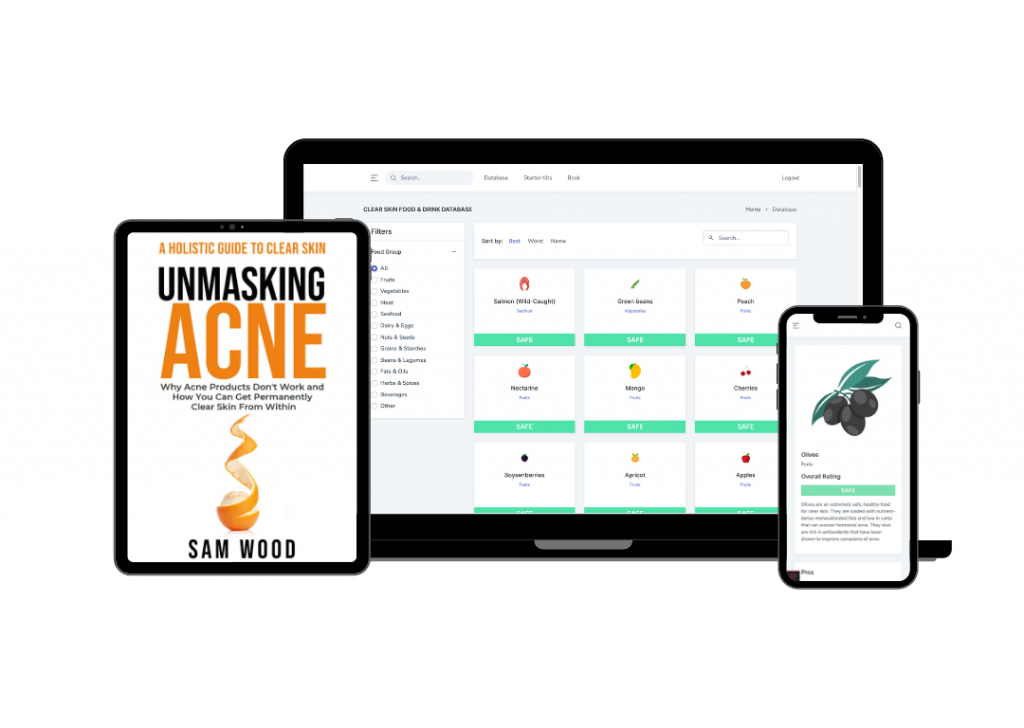
Optimizing your diet can help clear acne by decreasing inflammation, regulating hormones, and reducing sebum oil production.
Finding the right diet can be challenging and confusing because the smallest components in your favorite food might be triggering inflammatory responses that manifest as acne.
However, while these changes require dedication and consistency, getting there is possible and can be made easier with the proper guidance.
Therefore, this guide, which is a condensed version of all the information you would find in GoodGlow’s ebook on how to balance your hormones, lower inflammation, and reduce breakouts through diet, will tackle some of the most important things you need to know about the connection between acne and diet, as well as how to make sure that your daily menu isn’t costing you your skin’s health.
What is Acne?
Acne is a common skin condition caused by an overgrowth of bacteria that appears on the skin as red, swollen, and inflamed spots or non-inflamed comedones.
Affecting over 85% of people at some point in their lives, acne can be triggered by many internal and external factors, making identifying the cause and treating the condition challenging.
However, although highly persistent and notorious for its potential to return, acne is not impossible to maintain.
With various available treatments that can address both internal and external possible causes, understanding acne and narrowing down the potential triggers in your unique situation is crucial.
What Are The Main Causes of Acne?
We all have different lifestyle habits and skin tolerance; therefore, the potential triggers of acne will vary from person to person, depending on their unique concern.
However, with that said, the main causes of acne are well known, and while all of these may not apply to everyone, chances are that you may find some of them relatable.
Here are some of the main causes of acne:
- Clogged pores – the main reason for the formation of pimples are pores clogged with excess oil and dead skin cells that haven’t appropriately shed and have mixed, forming a hardened plug that attracts bacteria and leads to the inflamed symptoms we see as pimples on the skin’s surface.
- Hormonal imbalance – changes in hormone levels that result in androgens becoming overactive can lead to imbalances that result in excess oil production and accumulation of bacteria that leads to acne.
- Bacterial overgrowth – this abnormality triggers the immune system into a fight mode where white blood cells are sent to the area of infection to fight it, resulting in inflammation, swelling, and redness that we see on the skin as pimples.
- Diet – a leading cause of hormonal imbalances, diet can be a major acne trigger by creating inflammation in our bodies that causes spikes in blood sugar levels and triggers the release of hormones that directly affect sebum production. Another reason diet is a critical component to pay attention to if dealing with acne is due to potential intolerances to certain foods that can manifest on the skin as inflamed pimples. Finally, a lack of essential nutrients may also contribute to the development of acne as some of these regulate cell growth; therefore, a deficiency can sometimes lead to sluggish and unhealthy cells that won’t shed properly and remain stuck inside the pores where they mix with excess oil and attract bacteria.
How Does Diet Affect Your Skin?
Diet can impact your skin by causing inflammation and affecting components that determine our skin’s health and appearance, such as cell health and regeneration, the production of collagen and elastin, and the production of sebum.
For example, a diet high in refined sugars can lead to inflammation, which triggers a hormonal response that increases sebum production, leading to clogged pores and the overgrowth of bacteria.
Additionally, a high-fat diet has been proven to cause oxidative stress in the skin, thus damaging the cells and causing them to age faster, leading to wrinkles, dark spots, and other signs of skin aging.
Furthermore, a diet lacking essential nutrients can also impact the health and function of skin cells and lead to discoloration, such as a sallow complexion, which is a sign of vitamin B deficiency, and inflammatory skin conditions, such as dermatitis and acne, which could be signs of zinc and omega-3 deficits.
Moreover, diet can also regulate your skin’s moisture levels, so consuming foods rich in omega-3 acids can help improve the skin’s barrier and help it retain more moisture, leading to a hydrated, plump, and healthy complexion.
Finally, an inflammatory diet that’s rich in processed foods and low in fiber can also disrupt the balance of bacteria in the gut, which can lead to chronic inflammation and acne.
These are just a few ways in which diet can affect your skin. However, while it’s worth noting that occasionally making poor dietary choices won’t necessarily cause your skin to break out, prolonged exposure to foods high in refined sugars, unhealthy fats, and lacking essential nutrients can be detrimental to your skin and contribute to the development and persistence of inflammatory conditions such as acne, rosacea, dermatitis, and even cause premature skin aging.
What Are The Best Foods For Healthy Skin?
Cutting out bad dietary habits won’t do much if you don’t replace them with healthier alternatives. Therefore, here are the best foods you need to consume daily for healthy skin:
6 Best Foods for Acne
Your acne diet should consist of anti-inflammatory foods that will help minimize inflammation in the body and strengthen your skin barrier so that your skin can fight off pathogens.
Some of the best foods for acne include:
- Fatty fish – salmon, mackerel, herring, sardines, and anchovies can provide your body with essential omega-3 fatty acids, which can help strengthen the skin barrier and improve its ability to fight off pathogenic bacteria, as well as reduce inflammation in the body that has led to acne.
- Kefir – a fantastic probiotic, kefir can help encourage the growth of good bacteria in the body, improving gut health and reducing inflammation, ultimately leading to healthier-looking skin.
- Oysters – rich in zinc, copper, and vitamin D; oysters can be a fantastic addition to your daily menu that can reduce inflammation and help the cells regenerate.
- Chicken liver – besides being an excellent source of vitamin A that can help those struggling with acne, chicken liver is also packed with selenium, an anti-inflammatory mineral many of those taking medications such as birth control to control acne are deficient in.
- Leafy greens – many leafy greens, including broccoli, cabbage, and celery, are fantastic sources of vitamin A which can not only help minimize inflammation in the body but can also encourage healthy cell formation and renewal, which can promote shedding and reveal a clearer and healthier complexion.
Best Foods for Anti-Aging
When trying to minimize the premature signs of aging, your daily menu should consist of an antioxidant-rich diet that promotes cellular healing and reduces the damage from free radicals.
Some of the best anti-aging foods include:
- Carrots – rich in vitamin A and beta-carotene, carrots can help reduce oxidative damage and encourage cellular turnover and renewal, making them an excellent anti-aging food.
- Beetroot – with a high vitamin C content to reduce the overactivity of enzymes that cause hyperpigmentation and a dull complexion, beetroots can reduce oxidative stress and encourage healthy cell renewal, which will reduce the premature signs of aging and consequences of inflammation.
- Berries – blueberries, blackberries, and raspberries, are rich in antioxidants, which stimulate the action of enzymes that help repair cell damage and promote cellular turnover, leading to improved skin radiance and diminished lines and wrinkles.
- Egg whites – an excellent source of protein and large amounts of proline, an amino acid necessary for healthy collagen production, which will improve signs of wrinkles and sagging and keep the skin looking plump and young.
- Dark chocolate – unlike milk chocolate, which can cause inflammation, dark chocolate is a much healthier alternative packed with flavonoids, a type of antioxidant that helps prevent cellular damage, thus improving premature signs of aging caused by free radicals.
Do High Glycemic Foods Cause Acne Breakouts?
High glycemic foods can contribute to the development of acne by causing a rapid spike in blood sugar and insulin levels, leading to increased oil production, clogged pores, inflammation, and acne.
High glycemic foods are typically high in simple carbohydrates and low in fiber, which means they are easier to digest and taste better but can lead to weight gain, constipation, irritable bowel syndrome (IBS), heart disease, and diabetes.
This happens because the body responds to high glycemic foods with a quick burst of glucose (energy) in the bloodstream, which may make you feel good temporarily due to also increasing dopamine activity, but it causes the pancreas to secrete insulin to help regulate blood sugar levels, which can ultimately lead to a drop in blood sugar and cravings for more sugar-filled foods.
However, when insulin levels remain high, this is when androgens or the male hormones responsible for regulating the metabolism and the sebaceous glands become overactive, causing the glands to produce excess skin oil, which clogs the pores and leads to bacterial overgrowth, inflammation, and acne.
Foods to Avoid for Clear Skin
Here are some foods that you should avoid when making dietary changes to clear up your acne:
- Sweet potatoes – while frequently addressed as the healthier alternative due to the high vitamin A content, sweet potatoes can sometimes trigger acne due to being a high glycemic food that causes insulin levels and inflammation in the body to rise.
- Brown rice – the high content of lectins in brown rice can cause inflammation in the gut, leading to issues such as a leaky gut and acne due to a severe microbial imbalance.
- Protein powder – with the ability to trigger a rise in insulin levels, protein powders can cause inflammation in the body that could result in acne over time.
- Dairy-free milk – popular dairy alternatives such as oat and soy milk are high in carbs, which can result in insulin-triggered acne, while almond milk contains high levels of omega-6, a component that can trigger acne by causing inflammation in the body.
- Coffee – triggers a stress reaction by elevating cortisol levels, a hormone that directly stimulates the sebaceous glands into overproducing oil besides causing inflammation due to the acidity and caffeine content.