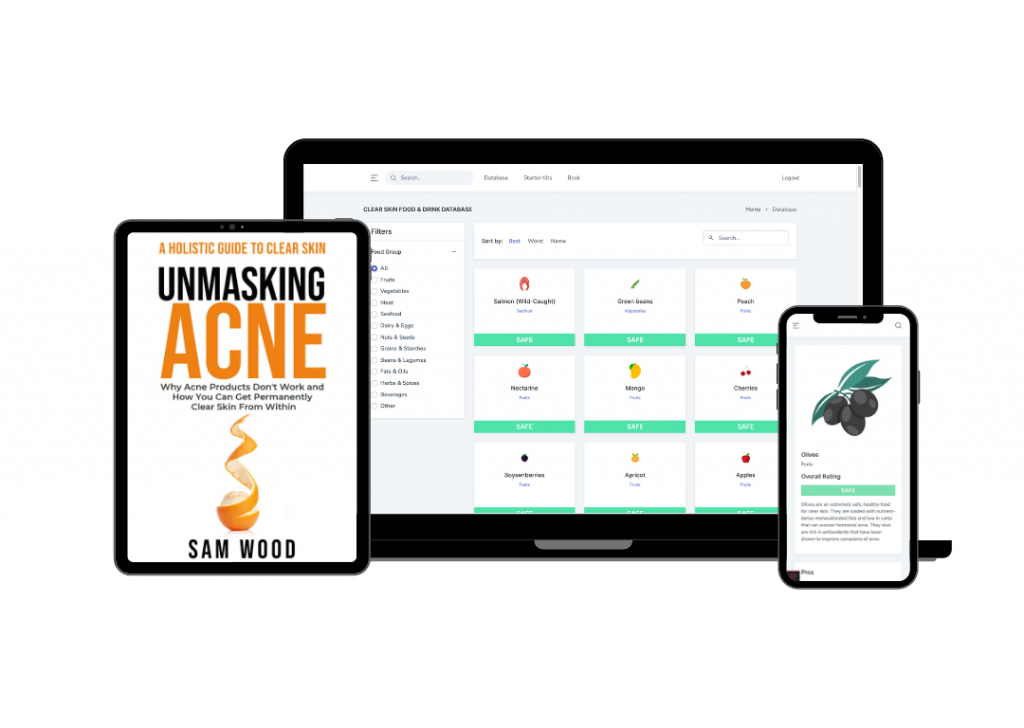
Can supplements really help you get rid of acne? Can you get all the nutrients you need for clear skin from food alone?
I can already hear people saying…
“Our Paleolithic ancestors didn’t have acne and they didn’t take supplements… Why should I?”
On one hand, we get less “good” stuff than we used to. With antibiotics, cleaning, and modern farming practices, we’re not getting nearly as much healthy bacteria as we used to. Farmed fishing and conventional agricultural practices lead to us eating more unhealthy fats than we used to. The rise of fast food and supermarkets means we’re eating a lot less organ meats – when’s the last time you ate beef liver?
On the other hand, we’ve made some seriously cool advancements in food and supplement technology that we’d be foolish not to take advantage of. High-quality supplements aren’t just unregulated sugar pills anymore. They’re reliable, sustainably-sourced superfoods that we have affordable access to.
For these reasons, supplementation and clear skin really go hand-in-hand. Unfortunately, not all supplements are created equal, and there’s a lot of confusion around what supplements are really necessary for clear skin.
In this article, we’re going to take a look at the best supplements for clear skin. We’ll also discuss how you can get each nutrient in food form.
Best Supplements for Acne Summary
Best Overall:
Clear Within – Skin Supplement for Acne

This supplement was made specifically for the needs of acne-prone skin. A blend of nine natural ingredients target inflammation, oil production, and breakouts to promote a clear and calm complexion.
GoodGlow Score


Powerful Acne-Fighters
Ingredients like selenium, chromium, and magensium tackle breakouts from all angles.

Skin Supporting Ingredients
Other natural ingredients control sebum production, fight free radical damage, and decrease inflammation.
Vegan and Cruelty-Free
Created with 100% plant-based ingredients, and not tested on animals.

High Quality
Made in the USA, in an FDA-approved and GMP-certified facility.
Vitamin a, biotin, pantothenic acid, selenium, chromium, magnesium, co-enzyme q10, bioperine®, and turmeric extract
Clear Within earns the title for best overall supplement for acne, as it is expertly formulated specifically for acneic skin. This supplement contains nine natural ingredients, each of which target different skin-related issues to maintain a healthy, breakout-free complexion.
Here’s a breakdown of the potent ingredients you’ll find in Clear Within:
- Vitamin B5 (Pantothenic Acid): Pantothenic acid works to fight the overproduction of oil by improving the metabolization of fats that would later clog the pores.
- Vitamin A Acetate: This potent antioxidant fights damaging free radicals, and also plays a role in controlling sebum production, helping to reduce shine.
- Selenium: The trace mineral selenium provides additional antioxidant support, while also decreasing inflammation in the body. It also helps control hormonal acne by regulating the thyroid hormones.
- Biotin: Biotin improves oil gland function, and helps with fatty acid synthesis. It encourages the growth of new, healthy skin cells.
- Chromium: This trace mineral helps minimize breakouts related to insulin spikes, thanks to its ability to balance blood sugar levels.
- Magnesium: This mineral lowers inflammation in the body, and also targets hormonal breakouts by balancing hormones.
- CoQ10: CoQ10 further protects the skin and fights damaging free radicals, thanks to its potent antioxidant properties.
- Turmeric Extract and Bioperine: Turmeric is packed with curcuminoids, which have powerful antioxidant properties. These compounds may also help minimize acne-causing bacteria. Bioperine improves the absorption of turmeric.
Beyond the thoughtfully chosen ingredients, this formula also stands out to me because of the quality. The ingredients are sourced in the USA, and the product itself is manufactured in an FDA-approved, GMP-certified facility. If you want to learn more, check out my recap of trying Clear Within for 60 days.
Clear Within Pros:
- Formulated with nine natural ingredients that have been proven to improve skin health.
- Made in the USA in a GMP-certified facility.
- Vegan and cruelty-free formula that is free of common allergens (including soy and gluten).
Clear Within Cons:
- None
Best Supplement For Hormonal Acne:
CLEARSTEM – Hormonal Acne Supplement

This Clearstem supplement was created to target hormonal acne at its source. It naturally fights breakouts from within, while helping with a host of other health issues.
Good Glow Score

Promotes Hormone Regulation
For Both Male and Female

Clean Ingredients
Nontoxic Real Ingredients
Expected Results
7-10 Days

Digestion
Improves Gut Health

Targets Root Cause
Not Symptoms
Cruelty Free
No Animal Products

If you’re suffering from hormonal acne, one of the best products to try is the Clearstem MINDBODYSKIN Hormonal Acne Supplement. This formula is created to minimize hormonal acne and excess oil in both males and females, while simultaneously providing support against stress, PMS, digestion issues, and hormonal imbalances.
The star ingredients of the MINDBODYSKIN Hormonal Acne Supplement include the following:
- 5-HTP: This compound increases serotonin levels in the body to target some of the root causes of breakouts, including stress, poor sleep, and sugar cravings.
- Glutathione: This potent antioxidant supports the body’s detoxification process, and has been shown to help promote a brighter, more even skin tone (which is great for minimizing post-inflammatory hyperpigmentation from previous breakouts).
- DIM: (Formally known as Diindolylmethane) This ingredient is commonly used as a natural remedy against hormonal acne, as it is believed to help regulate estrogen and reduce the production of androgens.
- Vitamin A (Retinyl Palmitate): This form of vitamin A fights clogged pores by increasing cell turnover, which in turn speeds up the process of decreasing acne scars.
- Vitamin B5 (Pantothenic Acid): This vitamin plays a key role in controlling oil production.
- Dandelion Root: Dandelion root improves the body’s detoxification process, and also supports the liver. It rids the body of damaging skin bacteria and androgens that may cause hormonal breakouts.
MINDBODYSKIN Hormonal Acne Supplement Pros:
- Contains highly effective ingredients that tackle hormonal acne from different angles.
- Vegan, cruelty-free, and gluten-free.
MINDBODYSKIN Hormonal Acne Supplement Cons:
- Pricey.
Best Supplement for Healing Acne Scars:
Sports Research – Evening Primrose Oil
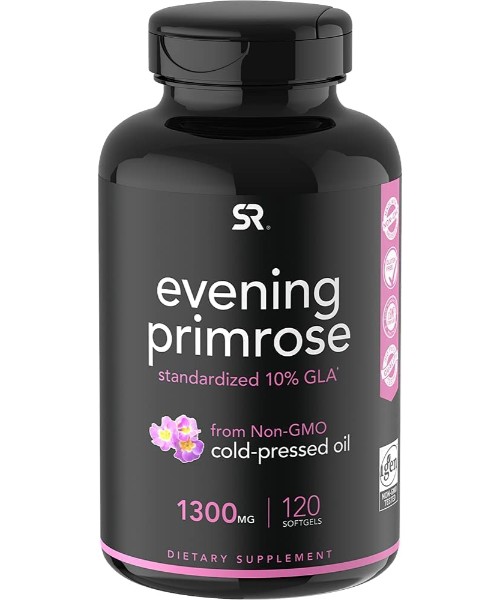
These high-quality supplements are made with cold-pressed evening primrose oil, and can help improve moisture levels while supporting a smooth, even, elastic, and firm complexion.
GoodGlow Score
Cold-Pressed Oil
Oil is cold-pressed from the evening primrose plant, which ensures you get the most nutritionally-dense product possible.

High-Quality Formula
Formula is free of gluten, soy, fillers, or artificial coloring.
GMP-Compliant
Supplements are manufactured in a US-based GMP-compliant facility.

Third-Party Tested
Supplements are tested by a third party to ensure safety and efficacy.
Evening Primrose Seed Oil,Gamma-Linolenic Acid (GLA),Softgel Capsul (Kosher Gelatin, Non-GMO Vegetable Glycerin, Purified Water).
While a supplement alone won’t completely get rid of acne scars, a well-formulated one can help promote a smoother, more even-toned complexion. One of the best supplements for someone dealing with acne scars is the Sports Research Evening Primrose Oil.
Evening primrose oil is known to have powerful anti-inflammatory properties, and is a rich source of gamma-linolenic acid (GLA), an omega-6 essential fatty acid. Supplementation has been shown to improve moisture levels, roughness, elasticity, and firmness in the skin. While research into using these supplements specifically for acne scars is limited, by improving these factors, it is believed that evening primrose oil may help soften the appearance of acne scars for a clearer and more even complexion.
Beyond that, evening primrose oil supplements may play a role in keeping acne at bay, thanks to the oil’s anti-inflammatory effects. This means that, by minimizing the likelihood of breakouts, it may help prevent acne scars from even forming in the first place.
Specifically, these supplements from Sports Research are the top pick, because they have an ample dosage (1300mg) of evening primrose oil. The oil is cold-pressed from the seeds of the evening primrose plant, which helps retain the nutritional value so that you get the best possible results.
Additionally, these high-quality supplements are made without gluten, soy, fillers, or artificial coloring. They are also third-party tested, and made in a GMP-compliant facility.
Sports Research Evening Primrose Oil Pros:
- Formulated with cold-pressed evening primrose oil for maximum quality.
- Made in the USA in a GMP-compliant facility.
- Made without gluten, artificial coloring, soy, or fillers.
Sports Research Evening Primrose Oil Cons:
- Not suitable for vegan or vegetarian diets, as the capsules are made with gelatin.
Best Vitamin A Supplement For Acne:
Ancestral Supplements – Grass Fed Beef Liver

This supplement contains grass-fed beef liver, which contains a highly effective form of vitamin A that is immediately used by the body to fight multiple causes of acne.
GoodGlow Score

Made with higher standards
Pasture raised in New Zealand & Australia, grass-fed and grass-finished, undefatted, hormone-free, pesticide-free, GMO-free. 100% ULTRA PURE means no fillers, no flow agents and no magnesium stearate.

Nutritionally dense super food
High in preformed Vitamin A, B12 for energy, CoQ10, Choline, Folate, Hyaluronic Acid and Bio-Available Heme Iron. Provides all the fat soluble vitamins (A, D, K & E) in highly usable forms, and meaningful amounts of copper, zinc and chromium.
Nourish your way to health
For healthy teeth, gums, skin and hair. Supports energy, mood, metabolism and methylation.
Ingredient Callout
Paleo friendly, primal friendly, ketogenic friendly
Grassfed Liver (Bovine) & Gelatin Capsule
Vitamin A is a fat-soluble vitamin stored in the liver that helps alleviate acne by touching just about every possible root cause. It reduces the size of sebaceous gland, improves wound healing, has antioxidant properties, reduces inflammation, and regulates the skin shedding process to ensure dead skin cells don’t clog pores.
This vitamin is incredibly effective for both covering up symptoms of acne and truly preventing breakouts. However, most of us unfortunately aren’t getting enough usable vitamin A to prevent acne.
There are two types of vitamin A:
- Provitamin A (Carotenoids): This form is found in vegetables and most supplements, and must be converted into retinol before it can be used by the body.
- Preformed Vitamin A (Retinol): This form is found in meat, seafood, and some dairy, and can be used by the body immediately.
There’s nothing wrong with provitamin A. In fact, most of us consume plenty of it from vegetables alone. However, it’s an extremely inefficient form of vitamin A that later needs to be converted to retinol. Unfortunately, as little as 3% of all provitamin A you consume actually ends up being converted to usable vitamin A. What this means is that even if you’re eating tons of kale or spinach, you might still be deficient in vitamin A.
For this reason, a great vitamin A option is the Ancestral Supplements Grass Fed Beef Liver, which contains preformed vitamin A that can immediately be used by the body. It’s also formulated with a blend of other vitamins and nutrients that support the skin and overall health, including CoQ10, choline, hyaluronic acid, zinc, chromium, and folate.
Ancestral Supplements Grass-Fed Beef Liver Pros:
- Made with an effective form of vitamin A that the body can use immediately.
- Contains additional ingredients that support the skin and overall health.
Ancestral Supplements Grass-Fed Beef Liver Cons:
- Not suitable for vegan or vegetarian diets.
Best Zinc Supplement For Acne:
Thorne Research – Zinc Picolinate 30mg

This supplement contains a highly effective form of zinc, which is easily absorbed into the body. It works to target acne from all angles for clear and healthy skin.
GoodGlow Score
Effective Zinc Form
Optimally absorbed form of zinc to support general wellness, healthy skin and connective tissue, eye health, and reproductive health
Hormone Health
Zinc supports the body’s production of hormones essential for promoting lean muscle mass

Immune Support
Zinc promotes the activation of a type of white blood cell that helps moderate the body’s inflammatory response during times of immune stress
Free From
Doesn’t contain gluten, eggs, tree nuts, peanuts, dairy, yeast, soy, fish, or shellfish
One Capsule Contains: Zinc (as Zinc Picolinate) 30 mg. Other Ingredients: Microcrystalline Cellulose, Hypromellose (derived from cellulose) capsule, Leucine, Silicon Dioxide.
Zinc is essential for hundreds of biological processes that create the proper conditions for clear skin. This mineral:
- Assists in the absorption and transportation of vitamin A
- Acts an an antioxidant to protect against acne infections and UV radiation
- Minimizes the risk of bacterial infection
- Regulates apoptosis (the process of skin dying and shedding)
- Protects the gut and improves intestinal healing
- Helps prevent insulin resistance
- Improves sleep quality and decreases stress
Numerous studies have shown just how beneficial zinc is for acneic skin. One study found that 600mg of zinc a day led to 33% less acne after 6 weeks. Another found that 30mg a day led to nearly 50% less acne after 3 months. A separate study proved that, after 12 weeks of zinc treatment, the mean acne score of participants fell from 100% to 15%.
Despite all these benefits, most of us don’t get nearly enough through our diet alone. It’s estimated that upwards of 2 billion people are zinc deficient. One study found that 54% of participants with acne were deficient in zinc compared to only 10% of the non-acne group.
With all of this in mind, if you’re one of the many people who aren’t getting enough zinc through your diet, a supplement can help. I highly recommend trying the Thorne Research Zinc Picolinate, which contains 30 milligrams of zinc per serving (which is one capsule).
While supplementing with zinc, there are a few things to be aware of. First, whole grains, iron, legumes, and dairy will impair your ability to absorb zinc, so take it outside of meals containing these food groups
Also note that zinc functions best when paired with abundant levels of copper. There are zinc supplements that contain copper, but some other supplements you’re already taking may contain this mineral (like the Beef Liver Vitamin A supplement recommended above).
Finally, note that you should always talk to your doctor before taking any type of supplement. This is especially important with zinc, as it is possible to overdose. High levels of zinc can lead to side effects, including nausea, cramping, and even acne! High zinc levels can also cause iron deficiency anemia, which disrupts collagen production and may trigger breakouts.
Thorne Research Zinc Picolinate Pros:
- Contains a form of zinc that is easily absorbed by the body.
- Made without common allergens, including gluten, dairy, and soy.
Thorne Research Zinc Picolinate Cons:
- None.
Best Probiotic Supplement For Acne:
BiOptimizers – P3-OM

This supplement contains a patented probiotic strain that targets acne and inflammation while supporting digestive and general health. Prebiotics also work to ensure the probiotics are able to deliver the best possible results.
GoodGlow Score

Supports Gut Barrier Health
When the gut barrier is supported by probiotics, it becomes stronger, less inflamed, and more efficient at digestion and preventing acne causing inflammation
Promotes all aspects of a healthy gut
Helps balance the immune response, add to your digestive enzyme bank account, strengthen your gut barrier, communicate with your brain, and promote healthy gut movement
Probiotic plus prebiotic (Synbiotic)
combination of healthy gut bacteria, from the probiotic, and fibers that the probiotic can ferment for additional energy, provided by the prebiotic
365-Day Money Back Guarantee
Vegetarian-friendly, lactose-free, 100% plant-based
Lactobacillus Plantarum OM; fructooligosaccharides; stabilized rice bran; vegetable capsule (plant cellulose; water)
Probiotics are excellent for supporting overall gut health, but they can also be super effective for those looking to quell breakouts. If you’re looking for a probiotic that can specifically work towards clearing your skin, the BiOptimizers P3-OM is a great choice.
This supplement contains the company’s patented lactobacillus plantarum OM. This potent super-strain effectively assimilates and multiplies in the gut. Lactobacillus plantarum is one of the best probiotic strains for acne, as it has powerful anti-inflammatory and bacteria-fighting abilities.
This supplement also contains prebiotics, which are essential for getting the best results from your probiotic. Prebiotics give the lactobacillus plantarum OM the fuel it needs fight breakouts, improve digestion, boost immunity, and more.
In addition to containing high-quality ingredients that are great for acne-prone skin, what makes this supplement stand out is the method of preparation. Since it is freeze-dried, the probiotics and prebiotics are able to survive in digestive enzymes and stomach acids. This means you’ll always get the fullest benefits.
BiOptimizers P3-OM Pros:
- Contains lactobacillus plantarum OM, one of the best probiotic strains for tackling acne and inflammation.
- Suitable for vegetarians and vegans.
- Potency is still maintained without storing the product in the fridge.
BiOptimizers P3-OM Cons:
- None.
Best Omega-3 Supplement For Acne:
Sports Research – Krill Oil Supplement

This krill oil supplement provides the body with easily absorbed omega-3s that fight inflammation in the body to prevent breakouts.
GoodGlow Score
3-in-1 supplement
Contains 1,000 milligrams of EPA & DHA fatty acids as well as phospholipids from sustainably harvested Antarctic krill. Krill oil is a natural source of astaxanthin from algae in their diet.
Sustainably sourced from Antarctic ocean
Microalgae from the pure water of Antarctic Ocean provides krill with a robust and nutrient-rich diet
Ingredient Callout
Non-GMO verified, gluten free, and IKOS 5-star certified
Won’t Go Bad
Krill oil contains antioxidants that keep the formula fresh
Antarctic Krill oil, Softgel Capsule (Kosher gelatin, Non-gmo vegetable glycerin, purified water).
For a full look at why omega-3s are important for acne, you’ll want to check out our article on chronic inflammation, but let’s do a quick breakdown. There are 2 types of fatty acids that influence how your body responds to threats using inflammation: omega-6s and omega-3s.
Omega-3 fats are anti-inflammatory. More omega-3s = less inflammation (and less acne).
Omega-6 fats are pro-inflammatory. More omega-6s = more inflammation (and more acne).
Too many omega-6s without enough omega-3s will lead to an overactive immune system that sends out inflammatory responses to harmless, naturally-occurring events. Certain foods, stress, or acne could all trigger a response. Chronic inflammation takes a simple acne infection and turns it into a protruding, red, angry pimple.
In a perfect world, we consume about equal amounts of omega-3s and omega-6s. Unfortunately, our modern diet is way off target. The average American consumes 20 times more omega-6s than omega-3s.
Why? Because many of the processed, artificial, and low-fat foods we eat today are loaded with omega-6s due to the use of vegetable oils (like sunflower, corn, and soybean oils). This means it’s crucial we’re consuming enough omega-3 fatty acids to counteract the omega-6s.
Our body can easily use two types of omega-3s: DHA and EPA. The third type, ALA, which is often found in seeds, plants, and nuts, is extremely inefficient for the body to use. Only a tiny fraction of ALAs are converted into usable omega-3s.
So where can you get DHA & EPA omega-3s?
- Fatty fish, including sardines, salmon, and mackerel
- Fish oil supplements
There are, however, some things to be aware of with fish oil supplements:
- You won’t absorb as much omega-3s: Numerous studies have shown that the consumption of fish is a much more effective way to increase DHA & EPA (the good omega-3s) levels versus fish oil supplements.
- Fish oil goes rancid very easily and can make acne worse: One study found that over 50% of all fish oil brands exceeded the standard for oxidized fat, meaning they were full of rancid, inflammatory fats that do more harm than good. Omega-3s are extremely sensitive to light, heat, and air exposure.
- You won’t get the other health benefits of eating fish: Fatty fish is an excellent source of vitamin A, vitamin B12, selenium and vitamin D.
In addition to eating fatty fish, a great way to get omega-3 is through krill oil. Krill oil contains the antioxidant astaxanthin, which prevents it from going rancid ( regular fish oil, cod liver oil, and other fish oil supplements don’t have this antioxidant). Plus, it has DHA and EPA, which are easily absorbed and used by the body.
A highly recommended krill oil product is the Sports Research Krill Oil Supplement. In addition to top-quality krill oil that helps calm inflammation, this supplement contains choline, a nutrient that offers a range of benefits, including supporting the brain and nervous system.
Sports Research Krill Oil Supplement Pros:
- Manufactured in the USA in a cGMP certified facility.
- Free of gluten, soy, fillers, and artificial coloring.
Sports Research Krill Oil Supplement Cons:
- Not suitable for vegan or vegetarian diets.
Best Vitamin C Supplement For Acne:
Terrasoul Superfoods – Organic Camu Camu Powder

This certified organic camu camu powder is sourced from Peru, and contains a potent concentration of vitamin C. It provides antioxidant benefits, while also targeting inflammation and lowering stress hormones.
GoodGlow Score
Most potent known source of vitamin C
Camu Camu is a potent source of natural and bioavailable vitamin C and can help support your immune system

Ingredient Callout
Certified Organic, Non-GMO Verified, Raw, Gluten-Free, Vegan
Flexible Usage
Mix the powder in water, smoothies, or other drinks or foods.
Lab Tested
Team of trained food scientists and quality experts test every batch and make sure you receive the best quality and freshest products
Organic Camu Camu Powder (Myrciaria Dubia)
Vitamin C hits on a few key points when it comes to acne. It’s used to produce the antioxidant glutathione, which prevents free radicals and oxidation from occurring. It also lowers stress hormones, and helps with inflammation and tissue formation.
It’s estimated that over 30% of the population is deficient in vitamin C. While there are plenty of foods that contain large amounts of vitamin C, it’s a fragile vitamin that can become easily damaged through cooking. One study found that every method of cooking broccoli except steaming resulted in significantly lower levels of vitamin C.
Getting your vitamin C through foods is best, but there are no real negative side effects to also supplementing with high doses of vitamin C.
Foods high in vitamin C include:
- Broccoli (135% daily value per serving)
- Brussels Sprouts (129% daily value per serving)
- Strawberries (113% daily value per serving)
- Pineapple (105% daily value per serving)
- Orange (93% daily value per serving)
- Cauliflower (73% daily value per serving)
If you’re not eating these foods on a consistent basis, I’d recommend supplementing with camu camu powder. A high-quality product worth checking out is the Terrasoul Superfoods Organic Camu Camu Powder.
Camu camu powder is derived from South American berries. It contains massive amounts of vitamin C, as well as other antioxidants. Mix a teaspoon into water, smoothies, or other drinks or foods for daily vitamin C support.
Terrasoul Superfoods Organic Camu Camu Powder Pros:
- High-quality camu camu powder sourced from Peru.
- USDA organic and non-GMO.
Terrasoul Superfoods Organic Camu Camu Powder Cons:
- Not as convenient to take as capsule or tablet supplements.
Best Magnesium Supplement For Acne:
Asutra – Topical Magnesium Chloride Oil Spray

This spray contains pure and natural magnesium chloride, which easily absorbs into the body to regulate hormones, lower inflammation, fight fatigue, and more.
GoodGlow Score

Feel great – faster
Research shows magnesium can help to ease stress, muscle/joint pain, and headaches, and aid in promoting restful sleep

Great Absorption
Your skin will easily absorb it and deliver much-needed magnesium to your bloodstream and cells for fast-acting relief.
Ultra pure and effective
Derived directly from the world’s purest natural magnesium chloride, 250 million years in the making. Comes from the Zechstein Seabed in the Netherlands.
Multiple Benefits
Helps with collagen production, energy levels, and more.
Active Ingredient: Capsaicin .025%
Inactive Ingredients: Water, Magnesium Chloride, Polysorbate 20, Caprylic/Capric Triglyceride
Magnesium plays a key role in many different biological processes that are related to acne. It has been shown to decrease insulin resistance, lower inflammation, and help with anxiety, sleep, and chronic fatigue. Importantly, it also helps regulate hormonal imbalances that can lead to breakouts.
Unfortunately, very few of us get enough of it. Modern farming practices and depleted soil make it nearly impossible to get enough magnesium through diet alone, which is why the majority of Americans are deficient in magnesium.
For this very reason, most people should supplement with magnesium on a daily basis. While there are many options out there, magnesium chloride is a great choice, as it is easily absorbed. A highly recommended magnesium supplement is the Asutra Topical Magnesium Chloride Oil Spray, which you spray onto the skin.
Each spray has approximately 20 milligrams of magnesium in it (not all of it will be absorbed), and you can apply between 5 and 20 sprays per night.
Asutra Topical Magnesium Chloride Oil Spray Pros:
- Contains a form of magnesium that is easily absorbed.
- Natural, topical-grade formula sourced from the sea.
Asutra Topical Magnesium Chloride Oil Spray Cons:
- May sting when first sprayed.
Best B Vitamin For Acne:
Heliocare – Advanced Nicotinamide B3 Supplement

This vitamin B3 supplement effectively fights acne, excess oil production, and other skin issues. It also provides additional antioxidant protection, thanks to a patented natural extract.
GoodGlow Score
Advanced formula
Nicotinamide (vitamin B3) non-flush form to help improve the appearance of skin
Antioxidant Support
Patented fernblock polypodium leucotomos extract provides antioxidant power.
Antioxidant support
Fernblock PLE technology to help against the harmful effects of free radicals
Vegan and gluten free
Derived from nature with no artificial dyes or fillers
Niacin (as Nicotinamide), Hydroxypropylmethylcellulose (capsule)
B vitamins can be tricky, because there are some that can actually be bad for breakouts (more on that below). However, vitamin B3 (also known as nicotinamide) is an exception.
Vitamin B3 has potent anti-inflammatory effects, and may also help minimize oil production. These effects can lead to fewer breakouts and a less shiny complexion. Multiple studies have also shown that, when taken orally, vitamin B3 leads to a significant reduction in acne.
If you want to add an acneic skin-friendly B vitamin to your health routine, I suggest checking out the Heliocare Advanced Nicotinamide B3 Supplement. In addition to nicotinamide, this supplement contains the company’s patented fernblock polypodium leucotomos extract. This natural extract provides antioxidant benefits to fight free radicals and strengthen the skin.
Heliocare Advanced Nicotinamide B3 Supplement Pros:
- Combines vitamin B3 with antioxidants for maximum benefits.
- Plant-based and gluten-free formula.
Heliocare Advanced Nicotinamide B3 Supplement Cons:
- On the pricier side.
Best DIM Supplement For Acne:
Thorne Research – DIM Advantage

This supplement effectively fights hormonal acne using the power of DIM. Additional ingredients are added to provide extra hormone balancing benefits.
GoodGlow Score

Hormone Balance
Supports healthy hormone ratios and promotes estrogen metabolism. Estrogen Balance supports the body’s processes for metabolizing and detoxifying excess estrogen.
Benefits for Women
romotes an optimal balance of hormone levels in the body, including those hormones related to premenstrual symptoms.

Benefits for Men
Reducing an excess level of estrogen promotes physical fitness and healthy weight, supports energy production, balances testosterone levels, and helps maintain a healthy prostate gland
Gluten-Free
Suitable for gluten-free diets.
Complementary Ingredient
The formula combines diindolylmethane (DIM), pomegranate extract, and sulforaphane glucosinolate (SGS). DIM promotes healthy estrogen ratios and metabolism, pomegranate extract helps reduce excess estrogen production, and SGS supports liver detoxification, which is crucial to clearing already-metabolized estrogen
Trusted
Thorne is the only supplement manufacturer to collaborate with Mayo Clinic on wellness research and content.
One Capsule Contains: Diindolylmethane (as Crystalline DIM) 150 mg, Pomegranate extract (whole fruit) (Punica granatum) 100 mg, Sulforaphane Glucosinolate (from Broccoli extract (seed) (Brassica oleracea italica)) 25 mg
Other Ingredients: Hypromellose (derived from cellulose) capsule, Calcium Laurate.
The research behind DIM supplements for acne is still in its early stages, but many people have benefited from adding them to their health routine to target hormonal breakouts. DIM (AKA diindolylmethane) is a phytonutrient that is found in cruciferous vegetables (like broccoli and cabbage). It reduces androgen production and regulates estrogen levels, which in turn is believed to help reduce hormonal acne.
One of the best DIM supplements on the market is the Thorne Research DIM Advantage. In addition to the DIM, this supplement contains additional ingredients that support a healthy hormone balance. Pomegranate extract is added to further balance estrogen production. Sulforaphane glucosinolate extract supports the liver’s detoxification process, which is an essential for clearing away estrogen that has been metabolized.
Thorne Research DIM Advantage Pros:
- Additional ingredients work alongside the DIM to help with hormonal health.
- Suitable for gluten-free diets.
Thorne Research DIM Advantage Cons:
- On the pricier side.
Best Collagen Supplement:
Vital Proteins – Collagen Peptides Powder

This powder uses the power of collagen, hyaluronic acid, and vitamin C to support the skin while boosting overall health. The unflavored formula is easy to use in a variety of drinks and foods.
GoodGlow Score
Sourced from grass-fed, pasture-raised bovine
Digested and absorbed by the body quickly for maximum benefits
Powerhouse Ingredients
Original Collagen Peptides plus Hyaluronic Acid and Vitamin C helps improve the health of your hair, skin, nails, joints, bones, ligaments and tendons
Ingredient Callout
Certified Paleo Friendly & Whole30(r) Approved. No added sugars or sweeteners. Flavorless and odorless. Made without gluten & dairy.

Easy To Use
Easily digested and dissolves in cold or hot liquids, like coffee, tea and smoothies. One to two scoops a day is all you need
Collagen Peptides Powder
While there’s no evidence that collagen itself fights acne, it does improve the overall appearance of the skin, and helps with healing. Research shows that collagen improves elasticity and hydration in the skin, and can help with wrinkles and roughness.
A high-quality collagen supplement that is suitable for acne-prone skin is the Vital Proteins Collagen Peptides Powder. Each serving contains an impressive 20 milligrams of types I and II collagen that support not just the skin, but the joints, nail, and hair as well.
The collagen in this formula is sourced from grass-fed, pasture-raised bovine. Beyond the quality collagen, what makes this product stand out is the addition of vitamin C and hyaluronic acid, which both further support the skin and help with collagen synthesis.
Vital Proteins Collagen Peptides Powder Pros:
- Unflavored formula with no added sugar.
- Vitamin C and hyaluronic acid support the skin and collagen synthesis.
- Dairy-free and gluten-free
Vital Proteins Collagen Peptides Powder Cons:
- Not suitable for vegan or vegetarian diets.
Best Vegan Supplement:
Solgar – Skin, Nails & Hair Tablets

These vegan tablets from Solgar are formulated to maintain clear, radiant skin while strengthening the nails and hair. They also defend the skin against premature signs of aging.
GoodGlow Score
Nutrient delivery assistance
Many nutrients cannot be delivered to the body externally. This specialized formula is designed to help support collagen in the body.
Collagen Importance
Collagen is a major component of skin, hair and nails that potentially can decrease within the body as we continue to age
Additional Nutrients
Delivers nutrients like Vitamin C and Copper, which when delivered internally can help support hair, skin and nail health
Kosher, gluten free & suitable for vegans
Free of: gluten, wheat, dairy, yeast, sugar, sodium, artificial flavors, sweeteners, and preservatives
Skin, Nails & Hair Tablets -Solgar
Finding a supplement that is both highly effective and suitable for vegan diets isn’t always easy, but the Solgar Skin, Nails & Hair Tablets check both boxes. It contains a blend of ingredients that target acne (and other issues) from multiple angles.
Here are the key ingredients you’ll find in these vegan Solgar tablets:
- Vitamin C: This antioxidant fights damaging free radicals, targets inflammation, and lowers stress.
- Zinc Citrate: This form of zinc absorbs well, and helps fight acne while also acting as an antioxidant.
- Methylsulfonylmethane (MSM): MSM lowers inflammation, and also plays a role in building collagen and keratin.
- Copper: Copper helps form collagen for healthy skin, hair, nails, and joints.
As the name suggests, this supplement is created to do more than just support clear and youthful skin. These ingredients also work to strengthen the nails, boost hair shine and health, and support the bones and cartilage.
Solgar Skin, Nails & Hair Tablets Pros:
- Expert blend of ingredients targets not just the skin, but also the hair, nails, and joints.
- 100% vegan, gluten-free, and non-GMO
Solgar Skin, Nails & Hair Tablets Cons:
- Larger tablets may be difficult for some to swallow.
Best Vitamin E:
Naturelo – Vitamin E

These supplements contain vitamin E derived from organic food sources (rather than synthetic sources), which is much easier for the body to absorb. They provide potent antioxidant support.
GoodGlow Score
Natural Vitamin E
Complete with plant-based sources of vitamin E, such as organic coconut, rice bran, sunflower, avocado, mango and kiwi. Natural vitamin E is up to 3 times better absorbed than the synthetic version.
Powerful Benefits
A potent antioxidant and anti-aging nutrient, vitamin E benefits the whole body, supporting memory, heart, liver, & eye health. As well as healthy skin, hair, nails, and a glowing face.
Premium Quality
Made with Premium Ingredients that are Non-GMO, Natural, Gluten Free, Soy Free, Vegan & Vegetarian, and contain NO Coloring, Flavoring, or Preservatives of any kind.
Includes mixed tocopherol
Alpha, beta, gamma and delta tocopherol — plus tocotrienols, so you get the benefits of all 8 isomers of vitamin E, not just one
Vitamin E (from Organic Coconut, Organic Rice Bran, and Organic Sunflower) 180 mg 1200%, Organic Avocado Extract 5 mg, Organic Mango Extract 5 mg, Organic Kiwi Extract (fruit) 5 mg, Organic Blackberry Extract 5 mg, Other ingredients: Vegetable Cellulose Capsule
Antioxidants – like vitamin E – are crucial for fighting acne and improving overall skin health. When the oil on the skin becomes oxidized (damaged), it turns into a pore-blocking powerhouse. Blocked pores can easily become infected and inflamed, leading to acne and pimples.
Since vitamin E is an antioxidant, it helps prevent oxidative damage from happening in the first place, in turn stopping acne dead in its tracks. It also has potent anti-inflammatory properties, which is key for fighting breakouts. Research has shown that individuals with acne were considerably more likely to have low levels of vitamin E (as well as vitamin A).
There are 8 different types of vitamin E, each with varying properties and effects. Unfortunately, the vitamin E found in most supplements (gamma-tocopherol or alpha-tocopherol) is not nearly as effective as the forms of vitamin E found in foods. For this reason, it’s best to get vitamin E in your diet, through foods like sunflower seeds, almonds, hazelnuts, avocado, salmon, and brazil nuts.
That said, if you still want to take a vitamin E supplement, it’s essential that you choose one that’s food-based and not synthetic. A great option is the Naturelo Vitamin E Supplement. This supplement derives vitamin E from whole foods, including coconut, rice bran, sunflower seeds, avocado, mango, kiwi, and blackberry (all of which are organic).
Naturelo Vitamin E Pros:
- Food-derived vitamin E from all organic, plant-based sources.
- Vegan, soy-free, gluten-free, and non-GMO.
Naturelo Vitamin E Cons:
- None.
Best Vitamin D Supplement For Acne:
Sports Research – High Potency Vitamin D3

This supplement contains vitamin D3, which is the best form of vitamin D to take. It’s paired with coconut oil, which improves the absorption.
GoodGlow Score
Healthy bones and teeth
Helps maintain strong bones by helping you metabolize calcium and supports healthy skin
Made with Coconut Oil
Vitamin D3 is fat soluble and it is difficult for the body to absorb if not taken with a fat, which is why coconut oil is added to aid your body with absorption
Premium Quality
Vitamin D (as Cholecalciferol) supplement is certified non-GMO and free of soybean oil and safflower oil. Formulated with organic coconut oil.
Manufactured in the USA
manufactured in cGMP compliant facilities and third party quality tested right here in the USA
Vitamin D3 (as cholecalciferol from Lanolin), Coconut Oil, Softgel Capsule: (kosher gelatin, kosher vegetable glycerin, purified water)
It’s hard to think of an area of our health that vitamin D doesn’t impact. It’s responsible for the expression of more than 1,000 genes, and influences everything from our mood to our immune system. Unfortunately, upwards of 70% of people don’t get enough of it.
Our ancestors would naturally get tons of vitamin D from being outside. However, in modern times, we’re spending much more time indoors, covered up, or slathered in sunblock.
Deficiency in vitamin D is a major problem for acne. One study found that 95% of people with acne were deficient in vitamin D. It’s hard to understate the importance of vitamin D when it comes to acne. Vitamin D prevents chronic inflammation, regulates the immune system, and increases the absorption and utilization of magnesium, phosphate, vitamin K2, and other nutrients. It also influences genes that ensure skin cells die, shed, and don’t clog pores, and plays a role in insulin secretion (too much insulin can be a nightmare for acne).
If you aren’t getting your daily dose of vitamin D from the sun, a supplement can help. Vitamin D3 is one of the best and most effective forms of vitamin D to take. It’s important to note that vitamin D is fat-soluble, and absorbs best when taken alongside fats. One study found that consuming vitamin D3 with a fat-heavy meal increased the amount of vitamin D in the blood by 32%.
With this in mind, one of the best vitamin D supplements available is the Sports Research High Potency Vitamin D3. This supplement is made with coconut oil, which helps the vitamin D3 absorb in the body.
Sports Research High Potency Vitamin D3 Pros:
- Manufactured in the USA in a cGMP certified facility.
- Gluten-free and soy-free.
Sports Research High Potency Vitamin D3 Cons:
- Not suitable for vegans or vegetarians.
Best DIM Supplement for Hormonal Acne:
SMNutrition – DIM Supplement
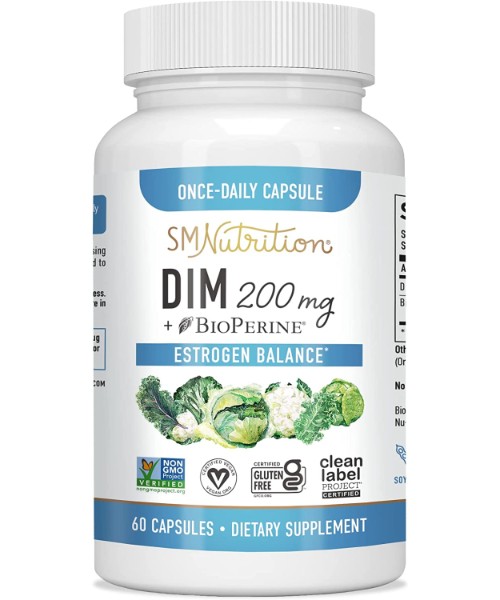
If you have hormonal acne, this high-quality DIM supplement may help regulate hormones for a clearer complexion.
GoodGlow Score
Potent DIM Source
Each capsule contains 200 mg of DIM.
Optimal Absorption
Black pepper fruit extract is added to improve the absorption of DIM.
High-Quality Formula
The formula is vegan and cruelty-free, and made without soy, gluten, or GMOs.
GMP-Compliant and Third-Party Tested
The formula is made in a GMP-certified facility and third-party tested to ensure quality.
Dim 200mg, BioPerine® 2.5mg. **Other Ingredients: Vegetable Cellulose, Organic NuFlow® (Organic Rice Concentrate)
DIM (diindolylmethane) supplements can be especially helpful for those dealing with hormonal acne, and one of the best on the market is the SMNutrition DIM Supplement. DIM has been shown to help regulate estrogen and reduce androgen production, and it is believed that this may be beneficial for limiting hormonal breakouts.
These supplements are fairly simple, and contain an effective 200 mg of DIM, as well as 2.5 mg of black pepper fruit extract. This fruit extract helps support absorption to maximize the benefits of DIM.
Beyond that, this SMNutrition supplement meets high quality standards. They are third-party tested and made in a GMP-certified facility. They are also suitable for vegan and vegetarian diets, and are made without GMOs, gluten, or soy.
SMNutrition DIM Supplement Pros:
- Third-party tested and made in a GMP-certified facility.
- Vegan, cruelty-free, non-GMO, gluten-free, and soy-free.
- Contains black pepper fruit extract to enhance absorption.
SMNutrition DIM Supplement Cons:
- Some reviewers noted side effects, the most common being headaches.
The Worst Supplements For Acne
While many supplements act as useful tools to fill in the gaps in our diet, some actually do more harm than good. These are a few supplements that generally make acne worse.
B Vitamins
A lot of people recommend taking a B-complex vitamin to fight acne, and there’s some merit to this. B vitamins are necessary for healthy skin. They moisturize, nourish, and protect the layer of cells that make up the outside of your skin.
Unfortunately, too much B vitamins are actually more likely to cause acne than cure it:
- One study found vitamin B12 supplements made acne infections more likely to occur on the skin.
- Another found that B6 and B12 contributed to acne rosacea.
- A final study found that rosacea flared due to B6 and B12 supplements, but would quickly diminish after quitting the supplements.
The bottom line is that some B vitamins are great for acne, but too much is harmful. For this reason, it’s best not to take any supplements with excessive levels of B vitamins.
Supplements that have B vitamins often contain them in extremely high amounts – upwards of 400-500 times the recommended daily value. This is really dangerous for acne. Instead, opt to get them through your diet:
- Eating spinach, chicken, sweet potatoes, salmon, beef, or turkey on a semi-regular basis will provide more than enough vitamin B6.
- Supplementing with beef liver capsules or occasionally eating sardines, salmon, beef, and eggs will easily keep your B12’s covered.
Be careful: many multivitamins, workout supplements, and even energy drinks contain large amounts of vitamin B12 for “increased energy.” You want to try and avoid these as well.
Multivitamins
There’s been a lot of debate lately about multivitamins. Some health experts claim that they’re absolutely crucial for our overall health, while others say they’re not just useless, but also dangerous. With so much conflicting information, it’s hard to find the truth behind all the noise.
In reality, multivitamins aren’t going to kill you or make you sick, but they might hold you back from clear skin.
Most multivitamins, and especially the ones you can just buy at a drugstore, are low quality and contain artificial forms of vitamins that make them difficult (if not impossible) for the body to absorb. If you’re taking these low-quality supplements, you’re likely not getting much benefit from them.
That being said, there are food-based and high-quality multivitamins that boast impressive stats. The problem with these multivitamins is that they usually contain extremely high levels of vitamins and nutrients that can make acne worse, including vitamin B6 and B12.
For instance, this highly recommended, high-quality multivitamin contains 200% of the recommended daily intake of Vitamin B6 and a shocking 8,333% of vitamin B12. Studies show that both vitamin B12 and B6 are directly linked to acne.
For this reason, I would caution against taking a multivitamin and instead focusing on taking targeted, precise, high-quality supplements in the areas that you truly need them.
How Long Does It Take Acne Supplements to Work
Many supplements will take a few months to work. However, the mixture of vitamins, minerals, and plant extracts effectively lightens scarred tissue after several weeks or even months have passed.
However, there is no guarantee that the supplements will reduce acne scars for everyone who takes them, so patience is key here! Vitamin C has been known to clear up acne for some time now.
Vitamin E has also been found to reduce the appearance of scars and is often added to other supplements because it can increase their effectiveness.
Zinc helps with collagen production, which makes up your skin, so by adding this mineral into a supplement, you are helping yourself out twice! However, this can take time as it takes a while to produce collagen, which is not something that happens instantly.
Many supplements will take a few months to work. However, the mixture of vitamins, minerals, and plant extracts effectively lightens scarred tissue after several weeks or even months have passed.
However, there is no guarantee that the supplements will reduce acne scars for everyone who takes them, so patience is key here! Vitamin C has been known to clear up acne for some time now.
Vitamin E has also been found to reduce the appearance of scars and is often added to other supplements because it can increase their effectiveness.
Zinc helps with collagen production, which makes up your skin, so by adding this mineral into a supplement, you are helping yourself out twice! However, this can take time as it takes a while to produce collagen, which is not something that happens instantly.
Wrapping it up
I want to make something clear – you can’t just use supplements alone to clear up your acne.
The likelihood that your acne is caused by a single nutritional deficiency and not larger health issues is slim to none.
Most of your nutrients should be coming from a healthy diet of (preferably organic & grass-fed) meats, wild-caught seafood, vegetables, fruits, healthy fats, and nuts.
Supplements should act as a powerful tool to help fill the gaps in a healthy diet. No matter how many supplements you take, if you’re still eating grains, loading up on sugar, and dumping unhealthy fats in your body, supplements won’t do you any good.
If you don’t know where to get started when it comes to a healthy diet, I recommend you check out the GoodGlow Diet Blueprint.
It lays out an acne-friendly diet on a single page, with more than 80 included foods. Best of all, it’s 100% free to download.
Have a question about acne? Have an idea for an article you’d like to see? Leave it in the comments below.
Frequently Asked Questions
Vitamin A is one of the best vitamins for acne scars due to its antioxidant properties. Vitamin E is another great vitamin for acne scars since it acts as an anti-inflammatory agent by reducing swelling and redness.
Collagen can help reduce scars by stimulating new tissue growth within your skin to appear smoother and fresher.
It is unlikely that “too much” vitamin c consumption would trigger acne breakouts. However, it is possible that the amount of vitamin c you are ingesting is too high and can lead to excess oxidation in your body – this could potentially irritate the skin and cause problems such as breakouts for some people.