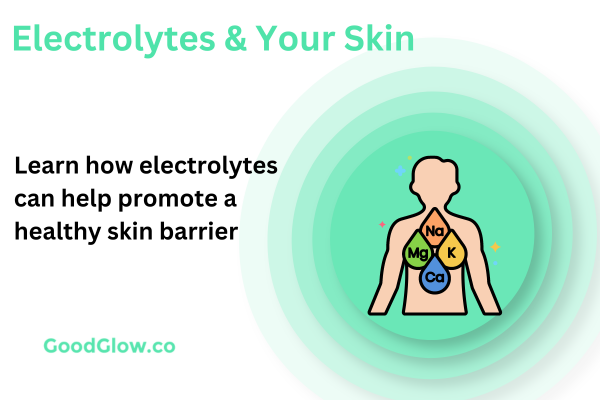
4 Ways Electrolytes Help Protect the Skin Barrier

Electrolytes, are vital minerals within the body, which play a significant role in keeping the skin barrier healthy. These most … Read More
Learn the scientifically-proven root causes behind acne and how to achieve permanently clear skin through diet, lifestyle, and supplements.
Learn the scientifically-proven root causes behind acne and how to achieve permanently clear skin through diet, lifestyle, and supplements.
Electrolytes, are vital minerals within the body, which play a significant role in keeping the skin barrier healthy. These most … Read More
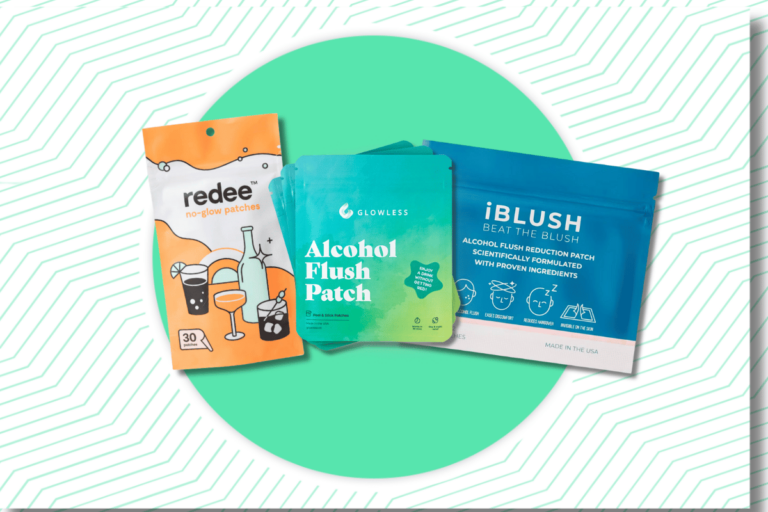

Asian blush, flush, or glow are all terms used to describe a reaction when a person becomes bright red in … Read More
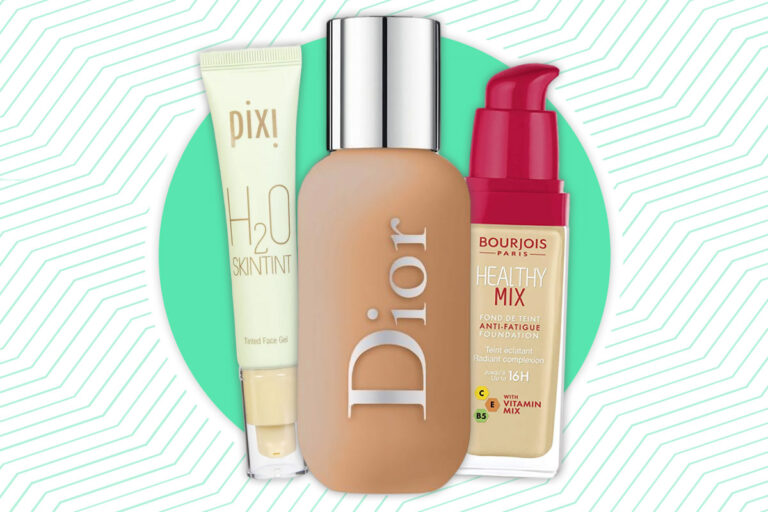

If you’re dealing with a fungal acne breakout, you know how frustrating it can be to find makeup products that … Read More
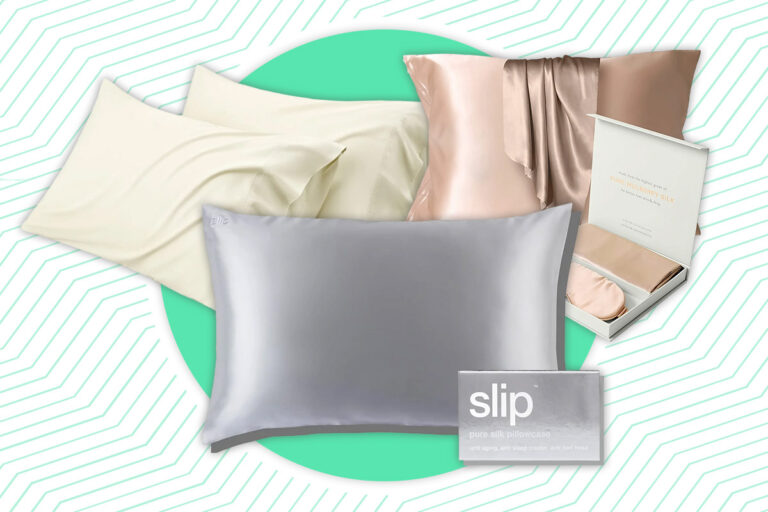
It’s no secret that your pillowcase could be causing your acne. In fact, pillowcases are often one of the main … Read More

If you’re like most people, you probably think of acne as being caused by bacteria. And while that’s true for … Read More
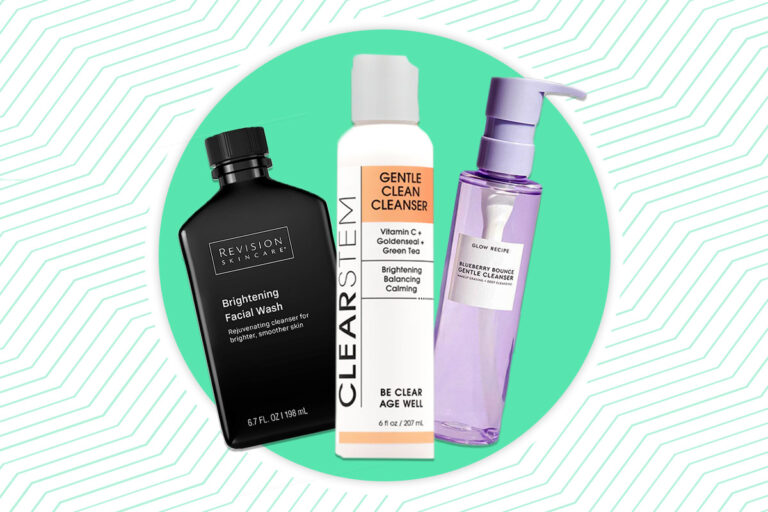
Hyperpigmentation is a condition that manifests itself as patches or spots of darker skin tone than the surrounding area. It … Read More
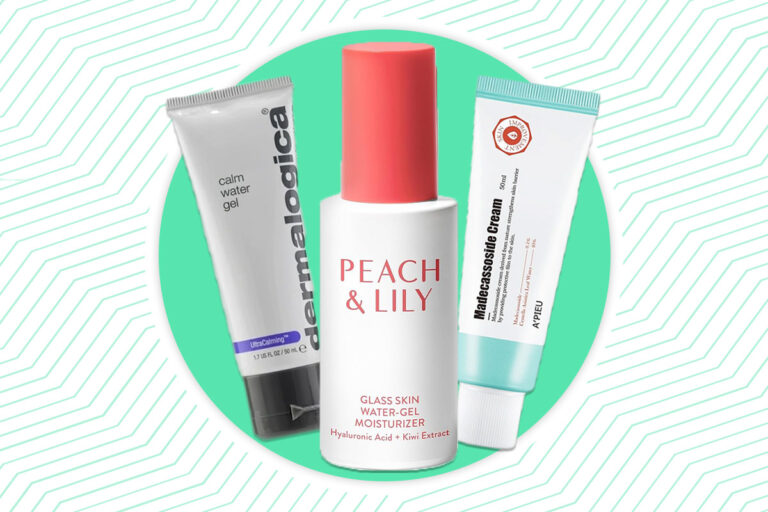

The severity of your fungal acne is highly dependent on the skincare products you use, particularly moisturizers. The best way … Read More
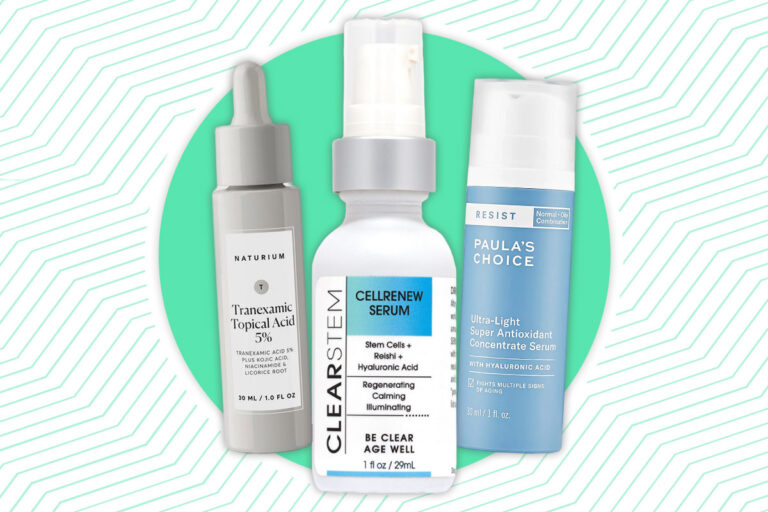

Acne scars are a common skin concern that can be even more difficult to treat than acne itself. Acne scars … Read More
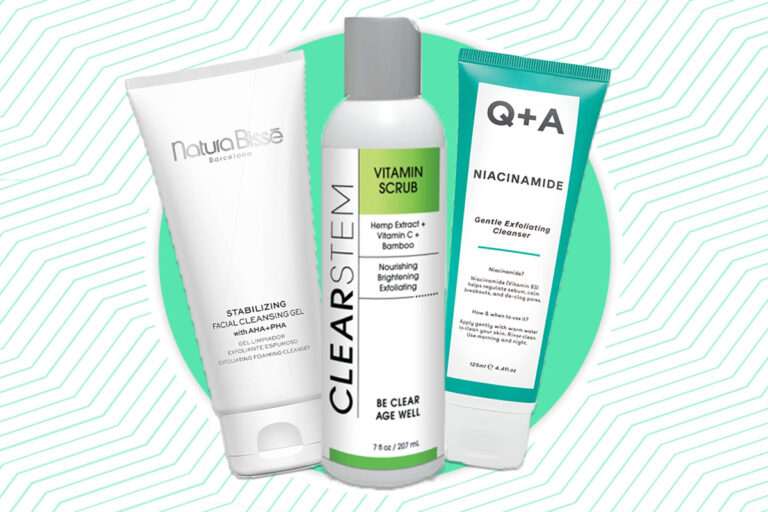
Acne scars make everyone feel self-conscious about their appearance. Even after you clear your skin through diet or medication, acne … Read More
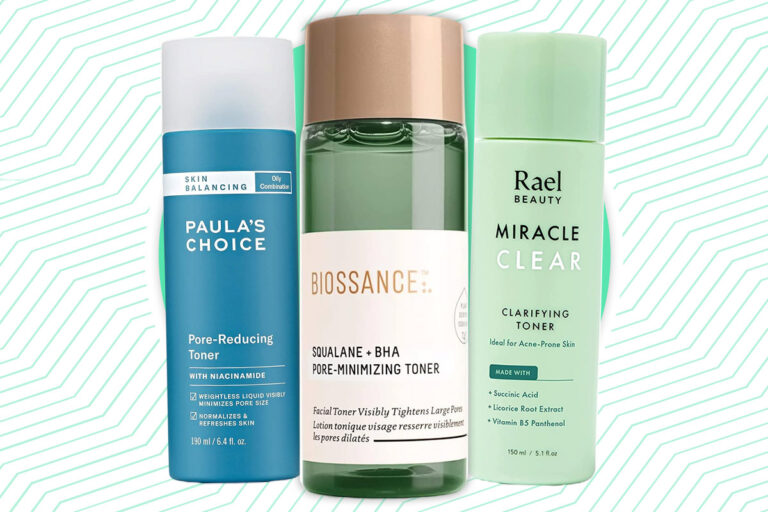
While a toner often isn’t considered to be an absolute essential in a skincare routine, the right formula can make … Read More

It shouldn’t be a surprise that acne is the most common chronic inflammatory skin disorder in the United States. Acne impacts up to … Read More
Shaving does not cause acne, however shaving with existing acne breakouts and shaving with a dirty razor can spread acne … Read More

Witch hazel is a natural botanical component used in holistic medicine to treat inflammatory skin conditions like acne, open wounds, … Read More

Apple cider vinegar has long been lauded for a variety of health benefits including weight loss, a reduction in blood … Read More

Chamomile is a popular herbal tea sourced from the Asteraceae plant family. It’s been used in alternative and natural medicine … Read More
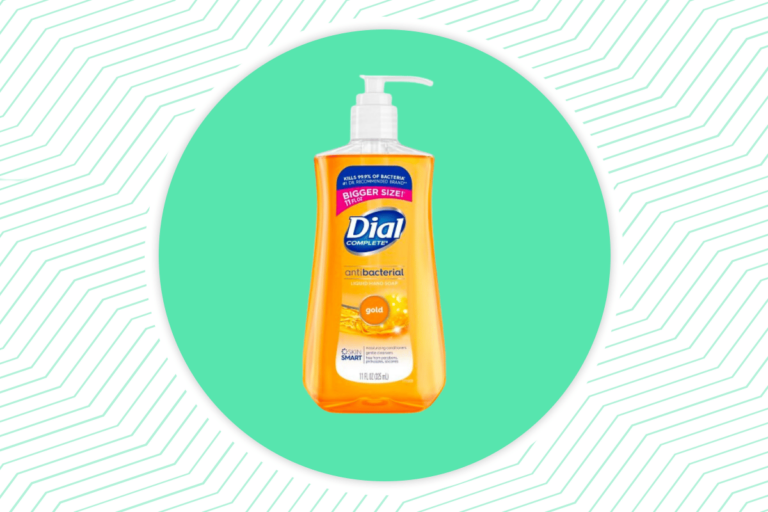
Dial soap, renowned for its antibacterial properties, is a staple in many households. However, many have wondered whether washing their … Read More
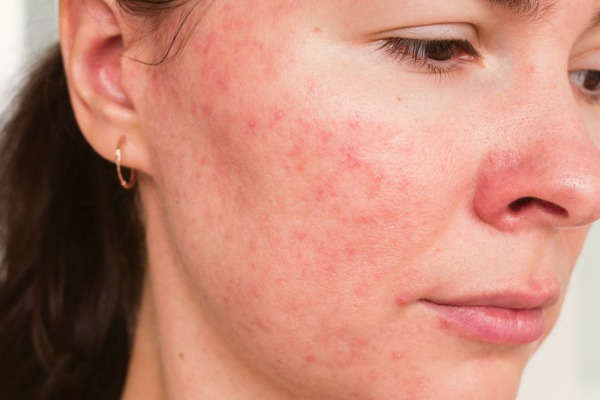
Although fungal and bacterial acne sound similar they are very different skin conditions that can affect people of all ages. … Read More

We’ve all been there before – looking in the mirror to find an angry, red, inflamed pimple. It looks … Read More

Milk thistle has long been used throughout history for various ailments, and due to its potent anti-inflammatory properties, it’s now … Read More

The treatment options described below should be able to significantly reduce, if not completely eliminate acne breakouts, for 99% of … Read More
Mupirocin, also known as pseudomonic acid A is a topical antibiotic cream or ointment that works by preventing the growth … Read More
Acne formation begins when the pores of your skin become clogged with oil and dead skin cells, and attract bacteria … Read More
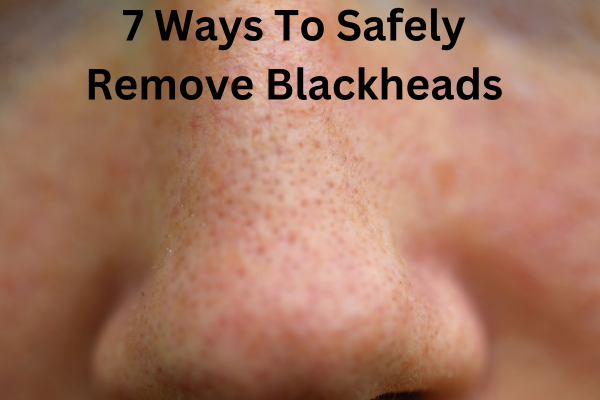

Blackheads are often one of the most pesky (and common!) types of acne we deal with, but fortunately, there are … Read More

Although highly effective in treating acne breakouts, Accutane can come with a host of unpleasant side effects including unwanted weight … Read More
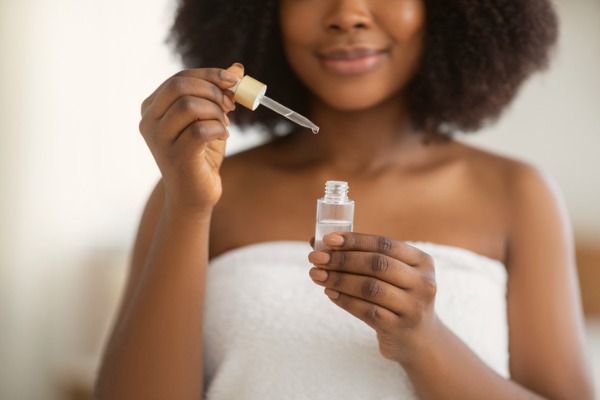

While retinol and collagen can be used as an effective part of an acne skin care regimen, it’s important to … Read More
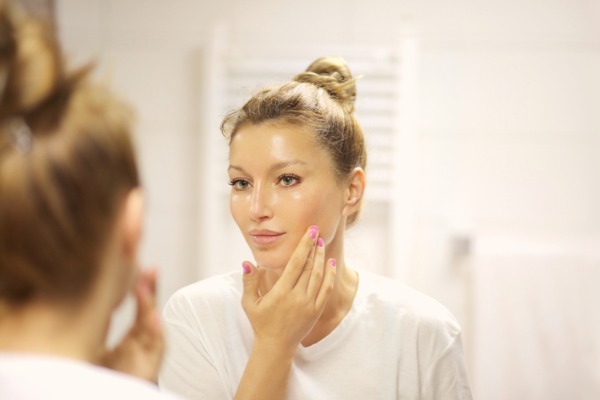
Hyaluronic acid is a versatile skincare ingredient that can help benefit your skin without causing acne. It supports moisturizing your … Read More
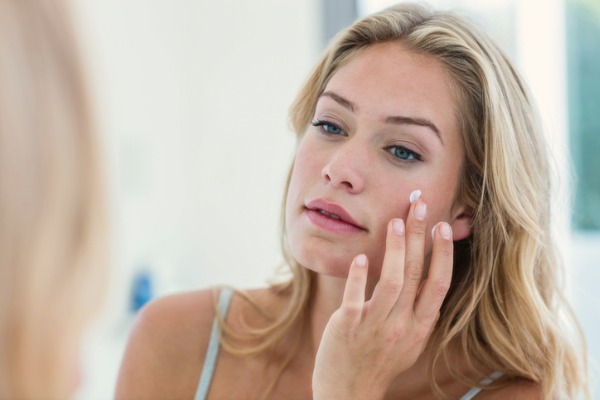
Yes, Benzoyl peroxide can cause skin purging in some people. While benzoyl peroxide is helpful in removing acne causing bacteria, … Read More
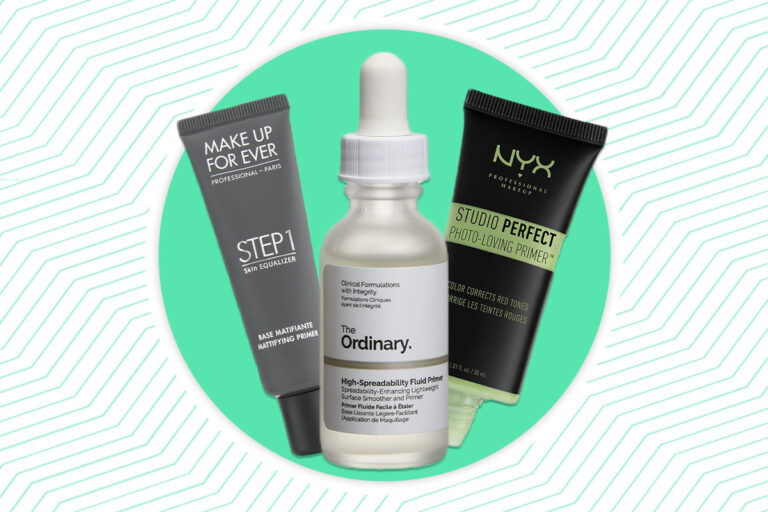
Picking the right primer can help noticeably reduce the blemishes, redness, and swelling that comes with acne prone skin. As … Read More

Cold water can help reduce acne breakouts and benefit the skin in many ways including reduced redness, decreased puffiness and … Read More
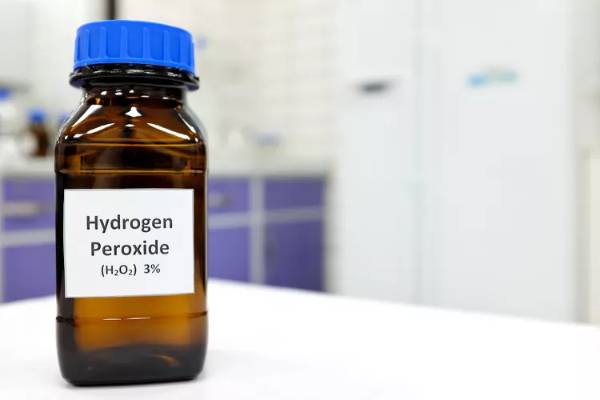
The benefits of hydrogen peroxide for acne are mixed, because while hydrogen peroxide is extremely effective in removing excess oil … Read More