

When we think of what causes acne, we usually think it’s because of hormones, unhealthy hygiene habits, oily skin, or eating too many greasy, sugary, fried foods. But what if I told you that there’s a secret acne-causing condition that usually goes totally unnoticed by doctors and dermatologists and affects millions of people?
It’s called hypothyroidism, and it may be what’s behind your adult acne.
The thyroid gland is one of the most important organs in the entire body, and there is solid, research-based evidence that an underactive thyroid can lead to a wide array of unhealthy consequences, including acne and neck pimples. I cover this in depth in the “Thyroid Protocol” section of the Unmaksing Acne resource guide.
Are you dealing with stubborn acne that won’t seem to go away no matter what you do? Is your skin dry or pale? Do you feel tired or cold frequently? Do you get enough iodine in your diet?
Your acne might be caused by an underactive thyroid
This article is going to be the ultimate guide to beating thyroid-driven acne through a healthy lifestyle and diet. We’ll go over:
- Thyroid 101: What is it and why does it matter?
- Hypothyroidism and Acne
- How to Tell If you Have Hypothyroidism
- How to Beat Acne and Hypothyroidism
I’ve dealt with thyroid-related acne in the past – thyroid disease is surprisingly common with women in my family. I can’t promise it’s going to be quick or easy, but trust me – you can beat hypothyroidism, and tackling the root causes of your acne won’t just give you better skin, but also more energy, clarity, and confidence.
First, let’s quickly cover the basics of the thyroid so we know what we’re dealing with…
What Does the Thyroid Do?
Your thyroid is a gland near your neck that helps provide and regulate energy to your organs. It is one of the single most important glands in your entire body and is responsible for a huge list of bodily functions, including digestion, heart function, mood, brain function, and metabolism, just to name a few. The thyroid regulates all these really important processes by secreting various thyroid hormones.
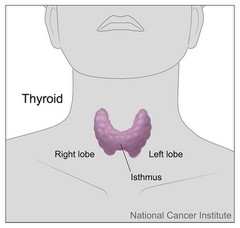
Where we run into issues (and acne) is when too little or too much thyroid hormone is secreted.
There are two primary types of thyroid disorders:
- Hypothyroidism – An underactive thyroid – the thyroid doesn’t produce enough thyroid hormone
- Hyperthyroidism – An overactive thyroid – the thyroid produces too much thyroid hormone
While hyperthyroidism (an overactive thyroid) can lead to acne-causing symptoms, including dry skin and anxiety, it’s not nearly as problematic for your skin or as common as hypothyroidism (an underactive thyroid). If you suspect you’re dealing with thyroid problems and have acne, odds are, it’s hypothyroidism, and more specifically, a type of hypothyroidism called Hashimoto’s Disease.
If this all sounds overwhelming, don’t worry, we’ll go over all of this in a minute – for now, let’s just go focus on why an underactive thyroid can cause acne (then we’ll cover the signs and symptoms of hypothyroidism)…
How Hypothyroidism & Hashimoto’s Disease Causes Acne
Having a properly operating thyroid is essential for good health – it affects pretty much everything your body does, including digestion, metabolism, brain function, regulating body temperature, and more.
Because your thyroid affects so much of your overall health, it can cause acne in several different ways.
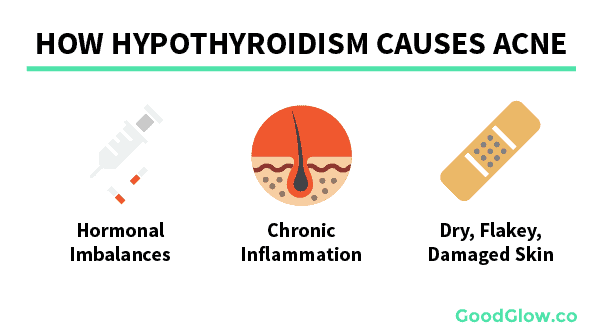
1. Hormonal acne
First and foremost, an underactive thyroid can disrupt your hormonal balance and lead to cystic acne that can’t be cleared with cleansers and products.
While we’re quick to blame male sex hormones like testosterone and DHT for adult acne, the truth is, both estrogen and progesterone play a huge role in adult hormonal acne as well.
Estrogen and progesterone work together and need to be in proper balance with each other in order to maintain healthy levels of female sex hormones (which men, also have, by the way). If progesterone is too low, estrogen levels are going to be too high and may lead to cystic hormonal acne. If you’re a female and you get acne around your menstrual cycle, this is why.
For the guys out there, this doesn’t mean your off the hook – an estrogen/progesterone imbalance can cause acne in men, too.
So, what does this have to do with hypothyroidism?
Well, when you have hypothyroidism, your body doesn’t produce enough progesterone. When your body doesn’t produce enough progesterone, it leads to too much estrogen – which leads to… yup, you guessed it, hormonal, cystic acne.
Hormonal acne is bad enough, but it’s not the only way hypothyroidism causes acne…
2. Chronic Inflammation
Hypothyroidism, especially Hashimoto’s disease (which we’ll cover in just a second here), impair the immune system and lead to chronic inflammation, one of the root causes of inflammatory acne.1https://www.ncbi.nlm.nih.gov/pmc/articles/PMC4802023/
Chronic inflammation is basically a condition where your immune system is extremely overactive. This results in it constantly firing off large inflammatory responses to even the most harmless of events – including acne. When a pore becomes infected by acne bacteria, the immune system suffering from chronic inflammation sees it as a major threat and triggers an inflammatory response. What’s the result of inflammation? Redness, swelling, and irritation – in other words, a pimple.
This, my friends, is inflammatory ance in a nutshell, and another reason why hypothyroidism is a nightmare for acne.
3. Decreased Overall Skin Health
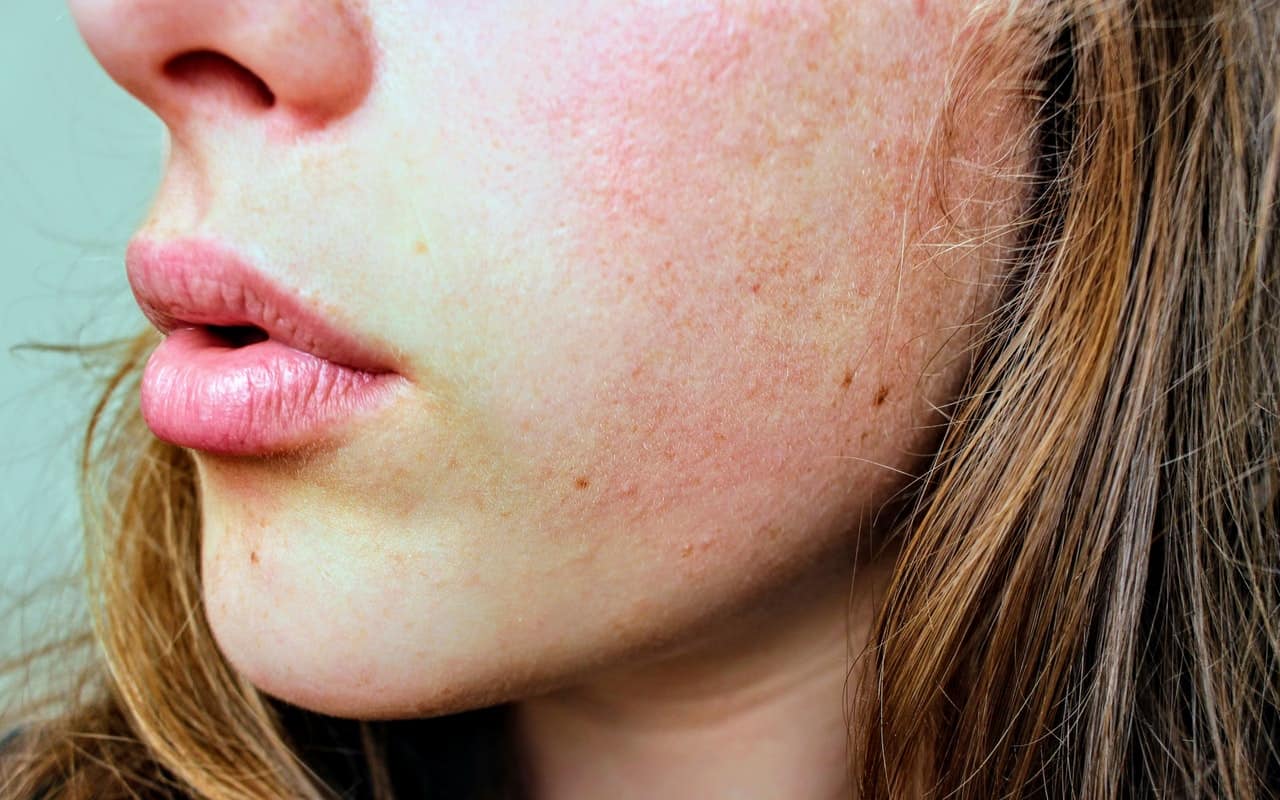
If your thyroid is underactive, all the organs that help make your skin healthy, vibrant, and moisturized are going to be underactive too. This prevents skin shells from shedding and rebuilding properly.
Hypothyroidism is a common cause of dry, flakey skin. Just like individuals who have high levels of the acne-causing hormone IGFBP-3 (another reason why you want to avoid sugar and carbs for clear skin), individuals with hypothyroidism have skin cells that don’t shed properly and form a flakey, scaley layer of dead skin cells that can clog and block pores. When this happens, pores are much more likely to be infected by acne bacteria.
Without proper hydration and replenishment, the skin can also become weak, frail, and damaged from free radicals and oxidative stress – this doesn’t necessarily mean more acne, but it will mean paler, dryer, and less beautiful-looking skin.
It’s no wonder that individuals with hypothyroidism are also much more likely to have skin issues like acne.2https://www.ncbi.nlm.nih.gov/pubmed/21521376
Now that we know why hypothyroidism causes acne, it’s time to figure out two key things: first – do you have hypothyroidism? And second, what can you do to beat it?
Signs & Symptoms of Hypothyroidism
Hypothyroidism is surprisingly common. Studies show that it affects somewhere between 5 and 10% of the adult population.3https://www.ncbi.nlm.nih.gov/pmc/articles/PMC3970282/
While a medical test with a physician who can measure your thyroid hormone levels is ideal, not all of us (me included) have the money or resources to go and see a doctor about hypothyroidism. For the rest of us, looking at the symptoms of hypothyroidism and then completing two simple, at-home tests can do the trick.
First things first, if you’re reading this article and have reoccurring, cystic acne, dry skin, or are oddly pale, those right there are solid signs of hypothyroidism. More often than not, it’ll be accompanied by one or more of the following symptoms:
- Constantly feeling cold
- Tiredness and fatigue, muscle weakness
- Depression
- Constipation
- Dry or flakey skin
- Slowed heart rate
- Stiff and painful joints
- Dry, thinning hair and hair loss
- Impaired memory
- Fertility difficulties or menstrual changes
- Puffy, sensitive face
On top of these symptoms, there are two simple tests you can complete. Either one may indicate hypothyroidism.
Sign #1 – Body Temperature
If you have an at-home thermometer, go ahead and test your body temperature by placing it under your armpit (as demonstrated by this video).
If you have a resting temperature below 97.4° F (36.5° C) it may be a sign of hypothyroidism.
Sign #2 – Resting Heart Rate
Check your heart rate using at home, either using a timer or website and counting manually, or using some sort of heart-rate device.
A heart rate below 70 beats per minute may indicate hypothyroidism, even if body temperatures appear to be normal.
Sign #3 – Weight Changes
Unexpected weight gain or lossise a good indication you may be having thyroid issues. If your activity level and diet hare consistent but your weight fluctuates significatnly it could be a signal that your thyroid hormoes are not within the normal levels.
Gaining weight unexpectedly is a signal that your body may be experiencing low thyroid function or hypothyroidism. Losing weight unexpectedly is a signal that your body may be producing too many thyroid hormones or hyperthyroidism.
Additionally, both under and over active thyroids can cause severe enegergy issues. If you find yourself continusouly skipping workouts and gaining weight this may also be driven from thyroid production.
Sign #4 -Anxiety & Concentration Issues
Hormones have a huge impact on both your physical and mental state. If your hormone production falls out of the healthy range you could experience, anxiety, depression, or general concentration issues. Hyperthyroidism can cause sudden mood changes including anger, loss of patcience, and depression.
If you find yourself experiencing any of these conditions but none of your external stimuli have changed you should talk to you doctor to see if you thyroid function may be the cause of your changing emotional state.
Additionally, pay attention to your heart rate and if you suddenly feel hot or cold. Heart rate and temperature changes are common indicators of thyroid problems as well.
Sign #5 – Hair Loss
Both hypothyroidism and hyperthyroidism are unlikely to cause hair loss in the short term. However, if left untreated for months a thyroid hormone imbalance can cause hair loss all over they body. Typically it takes several months to notice hair loss from improper thyroid function. Because it takes so long to manifest many people will incorrectly blame hair loss on thyroid medication. Make sure to always talk to your doctor before beginning or stopping any medication related to your thyroid.
Sign #6 – Dry or Oily Skin
Both hypothyroidism and hyperthyroidism can negatively effect the amount of oil your skin produces. An under active thyroid will cause your hormone levels to decrease and as a result will lead to lower oil production. This leads to dry, cracked skin. In order to maintain healthy, hydrated skin your body needs to produce some oil.
An over active thyroid will cause too much oil production which can lead to clogged pores, acne, and greasy skin.
Sign #7 – Swollen Lymph Nodes
Decreased thyroid hormone (thyroiditis) can also cause swollen lymph nodes in the neck and armpit areas. If you believe you have swollen lymph nodes you should immediately go see a docotor. Swollen lymph nodes may indicate thyroid cancer or a more serious underlying condition.
When to Get Tested
Basically, if you think you have hypothyroidism and can afford to get the proper bloodwork, go for it.
Otherwise, you might need to go off the above symptoms and complete the two at-home tests. It’s not going to be perfect or as accurate, but the good news is, while treating hypothyroidism can be expensive and challenging, it doesn’t have to be.
How to treat Hypothyroidism and Thyroid-Driven Acne naturally
Just like diagnosis, treating hypothyroidism can be done medically, with prescription thyroid hormone provided by a physician. If your physician recommends it and you feel comfortable taking it (and can afford to do so), this may be the most direct and fastest way to get your thyroid back on track.
Now before you go running to your physician, I would like to point one thing out – more often than not, an underactive thyroid is caused by underlying nutritional deficiencies or autoimmune conditions.
In fact, it’s estimated that upwards of 90% of all individuals suffering from hypothyroidism have a specific condition called Hashimoto’s Disease.4https://www.ncbi.nlm.nih.gov/pubmed/3066320 Hashimoto’s disease is an autoimmune condition, which is basically a fancy way of saying that your own immune system is damaging the thyroid.
While medication can and will help with your thyroid hormone levels, understanding why Hashimoto’s occurs in the first place is important in getting to the root causes. There are a few environmental and dietary factors that we know of so far…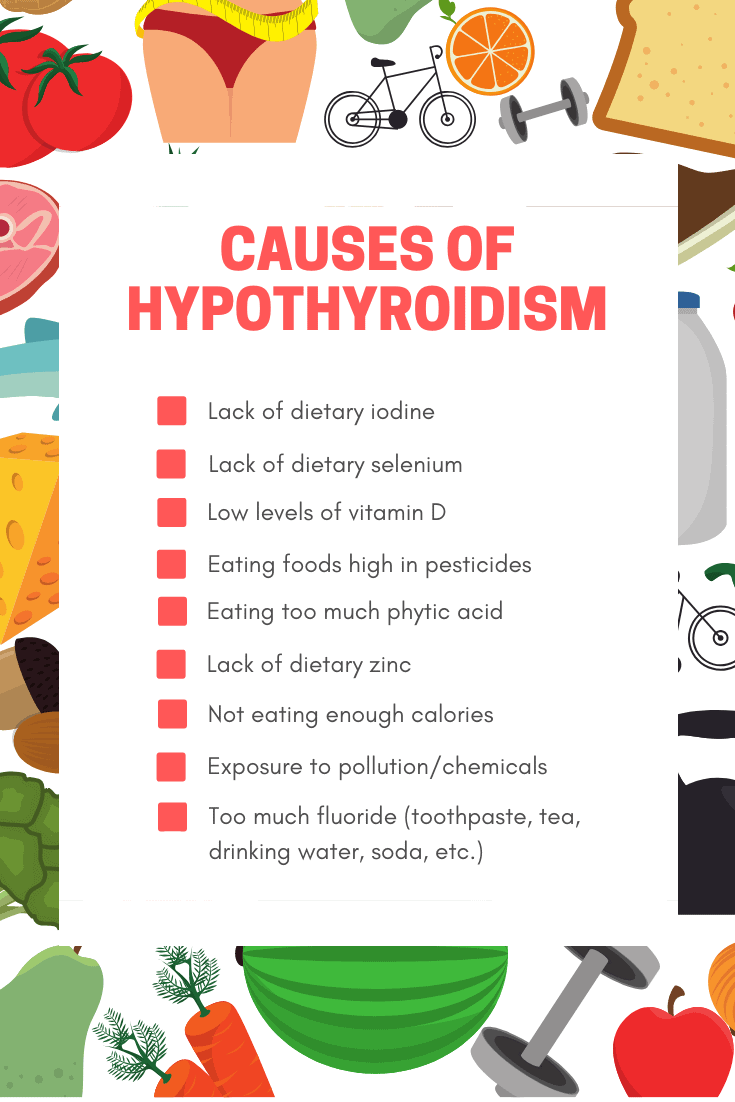
- Eating a diet with either too much or not enough iodine5https://www.ncbi.nlm.nih.gov/pubmed/23436921
- Not eating enough selenium6https://www.ncbi.nlm.nih.gov/pmc/articles/PMC5307254/
- Low levels of vitamin D7https://www.ncbi.nlm.nih.gov/pubmed/30058600
- Eating food with high levels of pesticides8https://www.ncbi.nlm.nih.gov/pmc/articles/PMC2842196/
- Exposure to or diets high in fluoride (through drinking water, tea, plants, toothpaste, etc.) 9https://thyroidpharmacist.com/articles/fluoride-and-your-thyroid/
- Diets low in zinc (individuals with low levels of zinc are also shown to have acne)10https://www.clinicalnutritionjournal.com/article/S0261-5614(09)00027-2/fulltext
- Not eating enough calories, and possibly fasting (more on that in a bit)
- Exposure to pollution, chemicals, and radiation
Yeah, yeah, I know, that’s a pretty long list, but don’t worry – we’ll break down exactly what you can do to prevent and treat Hashimoto’s in just a second here. The point I’m trying to make with this list is simple – if you have hypothyroidism, odds are, you are also lacking some nutrients or eating some type of food that is causing an underlying autoimmune condition (and more often than not, acne). If you really want to get to the source of your hypothyroidism and your acne, I would at least recommend considering treating it through your diet and lifestyle, even if you take thyroid hormone alongside it.
Okay, now that I’m done lecturing, let’s get to the fun stuff – how you can prevent and treat hypothyroidism and thyroid-related acne…

Thyroid Acne Protocol
This protocol (which again, per our disclaimer, is NOT medical advice) is aimed at doing a few things to treat thyroid-related acne:
- Preventing the underlying nutritional deficiencies that lead to hypothyroidism and Hashimoto’s Disease
- Getting enough of the nutrients your body needs to prevent hypothyroidism through food and supplements
- Giving the body and gut a chance to heal with an autoimmune-friendly diet
So, first things first, let’s go over foods to eat when it comes to hypothyroidism and Hashimoto’s Disease.
Thyroid Acne Diet Blueprint
If you haven’t already, download the GoodGlow Clear Skin Diet Blueprint – everything I talk about in this section is neatly organized on a one-page PDF that you can print off or send to your phone.
Basically, if you have hypothyroidism and acne, I recommend following an anti-inflammatory diet that avoids foods that cause and worsen autoimmune conditions, including hypothyroidism/Hashimoto’s Disease. Foods that damage the gut, prevent nutrients from being absorbed, or trigger inflammation is avoided.
Foods to Avoid
Grains, most dairy, sugar, vegetable oils, fried foods, packaged foods, (possibly) tea, and even a few vegetables should be avoided if you’re trying to heal your body and improve thyroid-related acne.
Grains (bread, corn, beans, legumes, etc.)
Grains contain compounds called antinutrients that can wreak havoc in sensitive individuals. Plant proteins, called lectins, can damage the gut and trigger autoimmune conditions, and phytic acid, another antinutrient, can prevent your body from absorbing key nutrients for fighting hypothyroidism and acne, like zinc. One study even found a link between Hashimoto’s and gluten sensitivity.11https://www.ncbi.nlm.nih.gov/pubmed/26026392
Sweets and Sugar
Sugar is a nightmare for acne. In addition to spiking levels of acne-causing hormones, sugar can worsen chronic inflammation and autoimmune conditions, like Hashimoto’s. Basically, if you can, avoid excess sweets and sugar if you want clear skin.
Most dairy (except grass-fed ghee and butter)
Dairy contains difficult-to-digest proteins (casein A1) that can trigger autoimmune conditions. Not to mention dairy is loaded with hormones and compounds that make it extremely problematic for acne.
Vegetable oils (except avocado, olive, and coconut oil), fried foods, and artificial foods
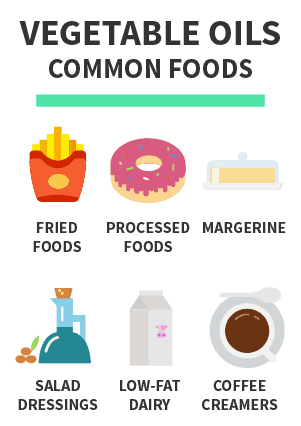
Foods that are packaged, processed, or fried are usually loaded with vegetable oils, like canola, corn, soybean, or sunflower oil – the problem with these oils is that they’re loaded with unhealthy omega-6 fatty acids, which can trigger chronic inflammation and worsen autoimmune conditions.
(Possibly) Tea
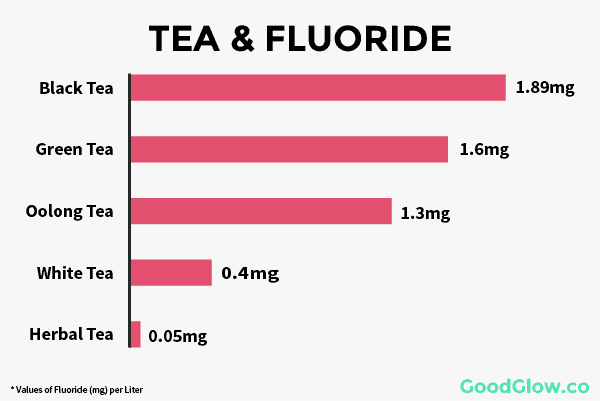
There is an ongoing debate about whether or not diets high in fluoride effect hypothyroidism. Some people claim that tea, especially green, black, and oolong tea, contain too much fluoride and can lead to hypothyroidism, while others say that dietary fluoride isn’t something you need to worry about. Basically, you need to test it out for yourself, and when-in-doubt, go with white tea instead of green or black, as it has the least fluoride.
See our Full Guide to Tea for Glowing Skin for more information
IMPORTANT: Large amounts of some vegetables
This tip is important because it isn’t on the Acne Diet Blueprint. There are these pesky little things called goitrogens that are found in some vegetables and can prevent the thyroid from operating properly. Brocolli, bok choy, cauliflower, and cabbage are all high in goitrogens. In small doses, or if vegetables are cooked properly, they aren’t a huge threat to the thyroid – just make sure you avoid overeating them if you have a thyroid condition.
Foods to Eat
Okay, now that we’ve got the boring stuff out of the way, let’s get to the good stuff – the food you can eat – basically anything on the “Safe” section of the Acne Diet Blueprint is fair game (except veggies high in goitrogens [see above] and maybe green/black tea).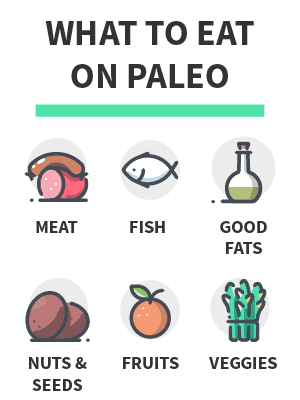
- Meat, Beef, lamb, pork, poultry, turkey, etc.
- Fish & Seafood, Salmon, sardines, trout, shrimp, shellfish, oysters (all great sources of iodine)
- Eggs (be careful, some people with Hashimoto’s are sensitive to egg whites – egg yolks contain most of the acne-fighting nutrients and plenty of iodine for your thyroid!)
- Vegetables (except broccoli, cauliflower, cabbage, and bok choy)
- Anti-inflammatory saturated fats (low in omega-6s), Coconut oil, butter, olive oil, avocado oil, beef tallow, etc.
- Moderate amounts of nuts and seeds
- Fruit (but not too much – fruit has sugar too!)
- Safe starches, sweet potatoes, squash, white rice
This autoimmune-friendly diet plan is loaded with anti-inflammatory foods, healthy satiating fats, and reliable energy sources that won’t worsen your thyroid or your acne.
Supplements to Consider
Generally speaking, I recommend cleaning up your diet before looking into supplements to help with your thyroid.
While supplements can be extremely beneficial for hypothyroidism, relying on supplements for a long period of time can just lead to more problems. Still, there are some essential nutrients, like zinc and iodine, that are extremely difficult to get through our diet alone, especially if you’re eating a standard American diet with plenty of grains, legumes, and dairy (these foods block the absorption of zinc).
Here are the supplements that I took when I had hypothyroidism (NOTE: I took them while also cleaning up my diet, they don’t replace a healthy diet):
- Vitamin D – 5,000IU/day
- Zinc Picolinate – 30mg/day
- Iodine (Kelp) – 255mcg/day
Zinc and vitamin D deficiencies are associated with acne and hypothyroidism and are some of the most common nutrient deficiencies in western societies – coincidence? I think not…12https://www.ncbi.nlm.nih.gov/pubmed/2919360213https://www.ncbi.nlm.nih.gov/pmc/articles/PMC3746228/
Iodine’s role in your thyroid health is huge – without enough iodine, you’re almost certain to have a thyroid disorder. If you want more information on why kelp and iodine can help your thyroid, check out my full article here. However, iodine and kelp supplements won’t work if you aren’t cutting back on your fluoride consumption too…
Fluoride, Hypothyroidism, & Acne
There is an ongoing debate about whether or not fluoride plays a role in both acne and hypothyroidism.
On the hypothyroidism side of things, drinking fluorinated tap water appears to be correlated with higher rates of thyroid disorders, and for a good reason – fluoride takes up space in receptors that would be used for iodine. Remember, iodine is crucial for a properly functioning thyroid, and if you have too much fluoride, your body can’t properly utilize iodine. 14https://www.ncbi.nlm.nih.gov/pmc/articles/PMC5805681/
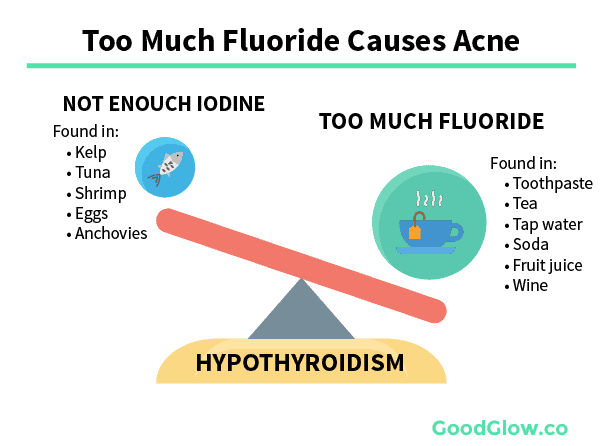
On the acne side of things, we lack clinical studies, but have plenty of evidence from forums and communities that going fluoride-free may help get rid of cystic acne. One dermatologist even found when his acne patients stopped using fluorinated toothpaste that they had fewer pimples around the mouth.15https://jamanetwork.com/journals/jamadermatology/fullarticle/535073
The link between acne, fluoride, iodine, and hypothyroidism seems to be related – they all play into each other.
As more evidence comes out regarding fluoride, acne, and hypothyroidism, I’ll continue to update this section.
Intermittent fasting, calorie restriction, and hypothyroidism
If you’ve check out our blog, you’ve probably seen our guide to intermittent fasting for acne (it’s our most popular post, by the way).
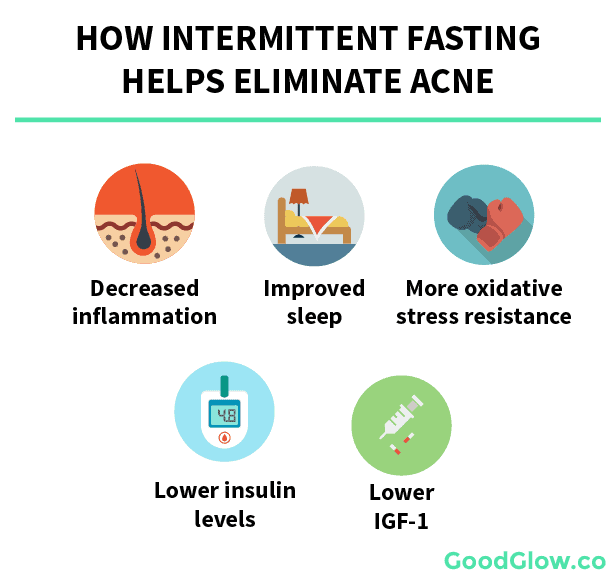
Intermittent fasting tackles nearly every root cause of acne, from high hormone levels to inflammation, and nearly everything in-between. Intermittent and prolonged fasting are still some of my favorite tools to beat acne at the source.
Despite all these great benefits, a lot of people claim that intermittent fasting actually leads to hypothyroidism, which means more acne.
Is this true?
When I looked at the studies that these people were referencing, two things became clear:
- While thyroid hormone decreases while fasting for prolonged periods of time, it’s only temporary – when you eat again, it goes back to working like normal
- Calorie restriction, in other words, not eating enough, was what really led to hypothyroidism – not intermittent fasting
If you try intermittent fasting, you might find yourself eating less than you normally do – if you continue to be in a caloric deficit (burning more calories than you consume), you may develop hypothyroidism.
So, what does this mean? Well, basically intermittent fasting isn’t the problem – not eating enough is the problem. That’s not to say that you can’t lose weight and beat hypothyroidism at the same time, just try to make sure you’re not overdoing it with intermittent fasting and calorie restriction.
Putting it all together – Acne Thyroid Protocol
Okay, okay, I know that was a TON of information, so let’s summarize it here.
In terms of your dietary protocol, you’ll want to follow the GoodGlow Diet Blueprint as closely as you can:
- Eat – Real, whole foods – meat, seafood, fruits, vegetables, nuts, seeds, and healthy fats
- Don’t eat – Dairy, grains (bread, pasta, gluten), sugar/sweets, vegetable oils (sunflower oil, safflower oil, canola oil, etc.), beans/legumes, sweets, artificial/packaged/fried foods
There are a few minor tweaks you might want to make to help your thyroid even more:
- Consider cutting out green, black, and oolong tea (they’re high in fluoride) and switch to white tea instead
- Don’t go overboard on broccoli, cauliflower, cabbage, and bok choy
For supplements, the key is to use them as additions, not replacements for a healthy diet. I took the following to improve my thyroid health:
- Vitamin D – 5,000IU/day
- Zinc Picolinate – 30mg/day
- Iodine (Kelp) – 255mcg/day
For lifestyle changes, cut back on your fluoride exposure by limiting green/black tea and tap water consumption and switching to an SLS and fluoride-free toothpaste.
Finally, make sure that if you are intermittent fasting or trying to lose weight, that you’re balancing your weight loss with a nutrient-rich diet and avoiding excessive exercise (regular exercise seems to be beneficial for hypothyroidism). 16http://www.amhsjournal.org/article.asp?issn=2321-4848;year=2015;volume=3;issue=2;spage=244;epage=246;aulast=Bansal
Some people might be wondering – how long does it take to see results?
It took me several weeks, maybe even a month, before I started seeing noticeable results from my supplements and diet changes. I was already eating a healthy diet but wasn’t eating nearly enough calories to support my thyroid, so upping my food intake, adding iodine, and getting plenty of sunshine slowly but surely worked wonders.
Closing thoughts
While hypothyroidism (and the acne that comes with it) can be a pain in the butt to deal with (and trust me, I’d know, I’ve dealt with it), it’s not unbeatable – you can get rid of hypothyroidism with medical intervention or a healthy diet and lifestyle.
Also, look at the bright side – if you treat your hypothyroidism from the inside out, you not only will have clearer, healthier skin, but also a healthier, more energetic body. You’ll feel better on a day-to-day basis and have more energy to do the things you love – you can’t get that through harsh acne cleansers and creams.
You deserve to have beautiful skin, and you shouldn’t let an underactive thyroid hold you back from it.
If you have any questions about thyroid health, supplements, or the link between diet and acne, feel free to let me know in the comments below.
My new book, Unmasking Acne, also has an entire chapter dedicated specifically to Thyroid-related acne. In fact, we have an entire Thyroid Protocol. Check it out and let me know what you think.
Frequently Asked Questions
Low thyroid function or hypothyroidism can cause fluid build-up underneath the skin which can cause swelling and puffiness in the eyes, face, and lips.
Thyroid issues like hypothyroidism and thyroiditis can cause acne. An under or over-performing thyroid can create a hormonal imbalance which can lead to hormonal acne if left untreated.
You were able to cure your hypothyroidism? Did you ever take Synthroid? On Synthroid now for about 3 months , but would like to heal acne as well without taking Synthroid. How do you come off that without experiencing negative effects ?
Would you say your acne flared up a bit at the start of treatment?
Hi there can anyone comment if acne can be caused by too much thyroxine? I notice I get acne when I’m slightly over medicated
Hi, I recently had an increase in my t3 medication and also noticed a flare up of acne on my chin which I’ve never had before