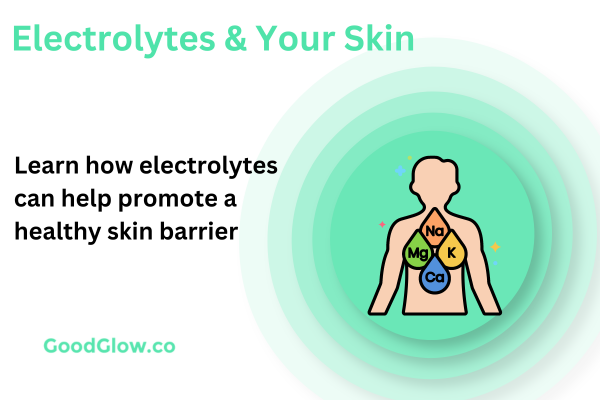
4 Ways Electrolytes Help Protect the Skin Barrier

Electrolytes, are vital minerals within the body, which play a significant role in keeping the skin barrier healthy. These most … Read More
Electrolytes, are vital minerals within the body, which play a significant role in keeping the skin barrier healthy. These most … Read More
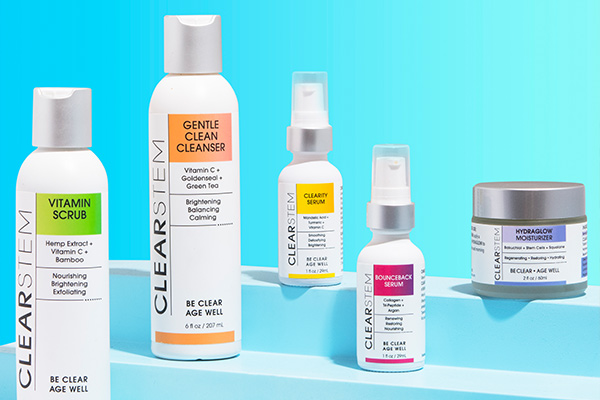

Over the last few months, I (along with a few other members of the GoodGlow team) have begun experimenting with … Read More
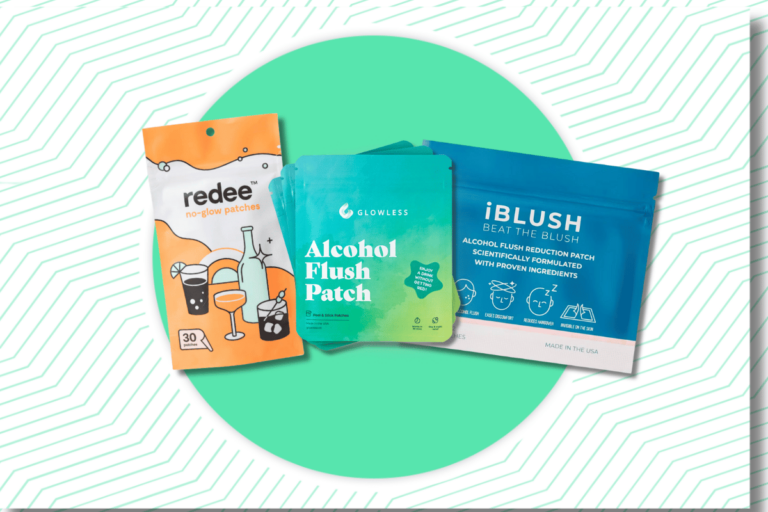

Asian blush, flush, or glow are all terms used to describe a reaction when a person becomes bright red in … Read More

Do you ever find yourself breaking out after a night out partying? There’s a good reason for it. Excess … Read More
Alcohol Flush (Asian Flush) has made me a self conscious drinker since college. By the end of my first drink … Read More

Most people are well aware of the numerous negative health consequences and side effects of alcohol consumption. However, some people … Read More
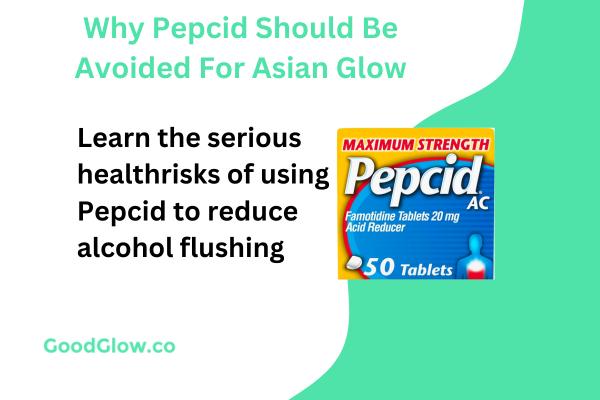
I’ve dealt with Alcohol Flush since I began drinking and have have looked all over the internet for different methods … Read More

I’ve been dealing with Alcohol Flush, often called Asian Glow, since college. For those unfamiliar Asian Flush is a condition prevalent … Read More

Acne is a common skin condition that can be both physically and emotionally painful. Although there are many acne treatments, … Read More
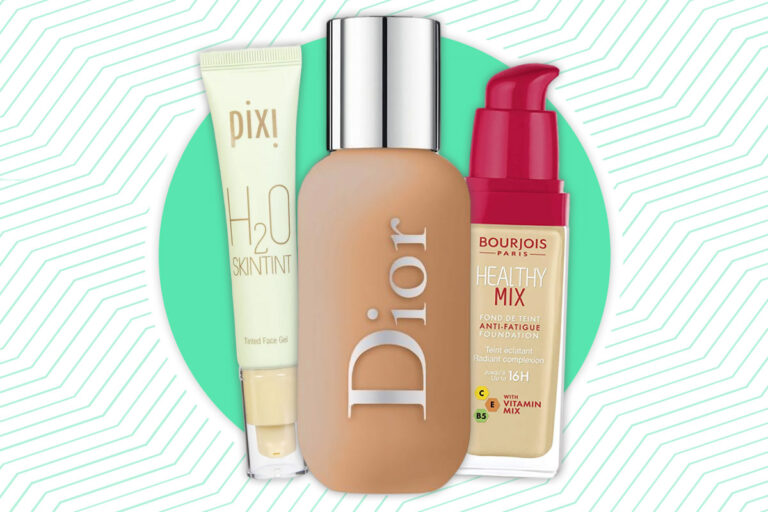

If you’re dealing with a fungal acne breakout, you know how frustrating it can be to find makeup products that … Read More
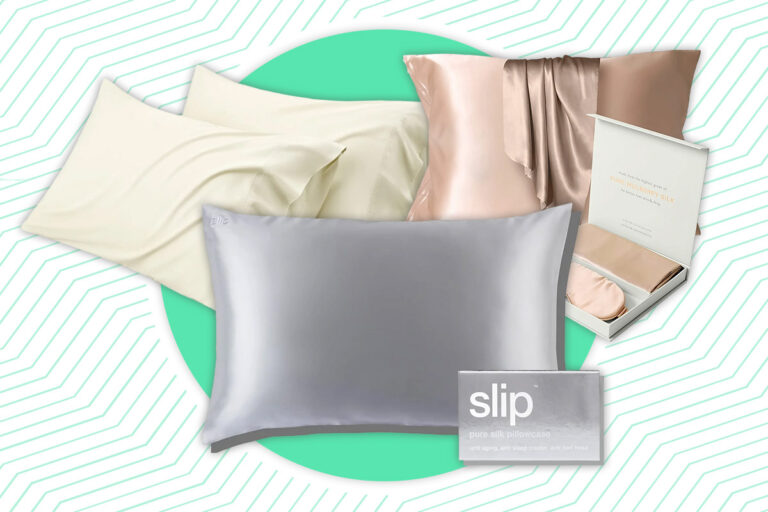
It’s no secret that your pillowcase could be causing your acne. In fact, pillowcases are often one of the main … Read More
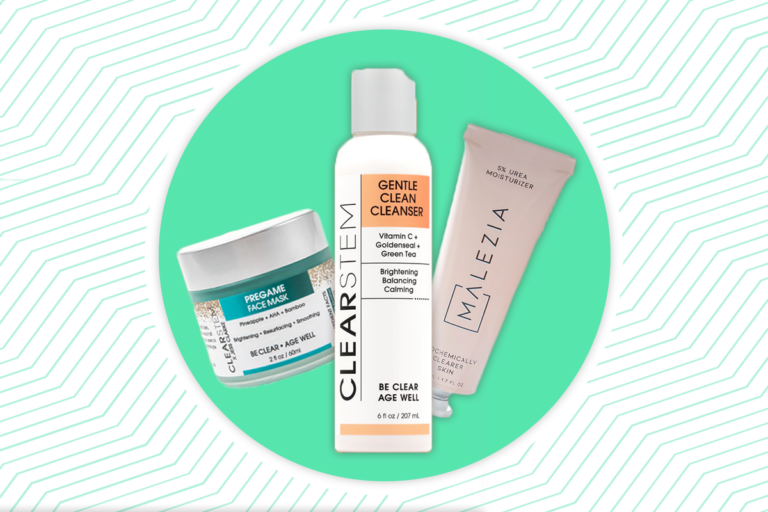
The term fungal acne is used to describe a type of skin infection that occurs due to the Malassezia yeast … Read More

If you’re like most people, you probably think of acne as being caused by bacteria. And while that’s true for … Read More
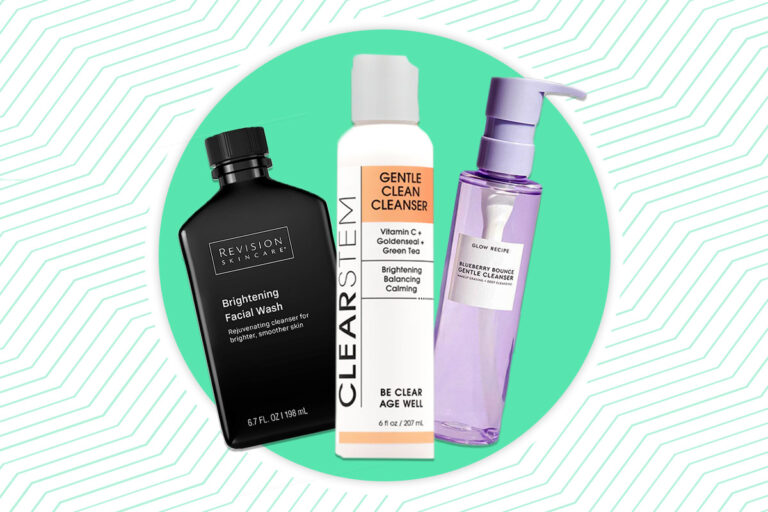
Hyperpigmentation is a condition that manifests itself as patches or spots of darker skin tone than the surrounding area. It … Read More
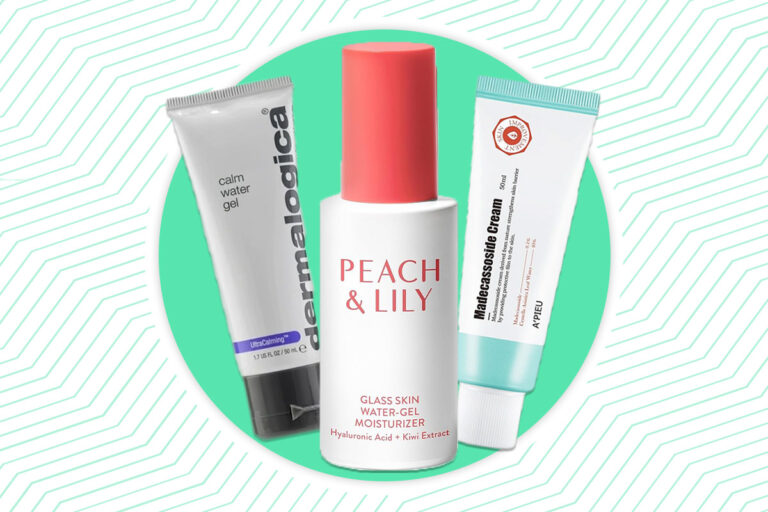

The severity of your fungal acne is highly dependent on the skincare products you use, particularly moisturizers. The best way … Read More
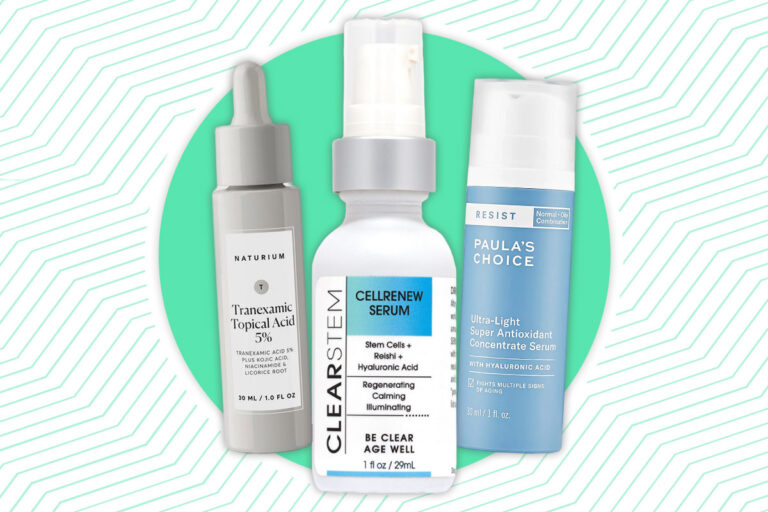
Acne scars are a common skin concern that can be even more difficult to treat than acne itself. Acne scars … Read More
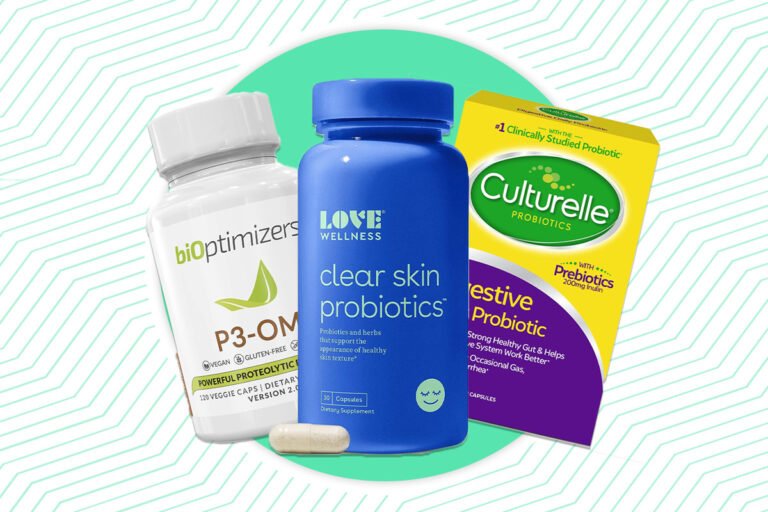
Treating acne often requires a multi-pronged approach. While topical treatments are essential, it’s also important to consider what you’re putting … Read More
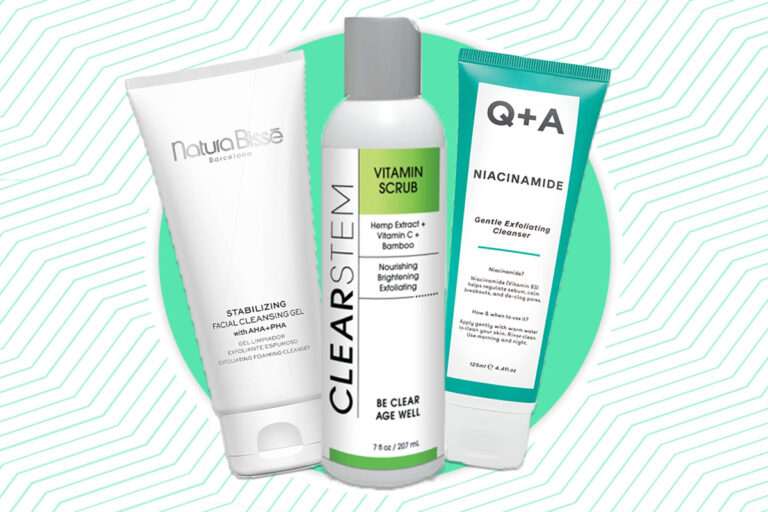
Acne scars make everyone feel self-conscious about their appearance. Even after you clear your skin through diet or medication, acne … Read More
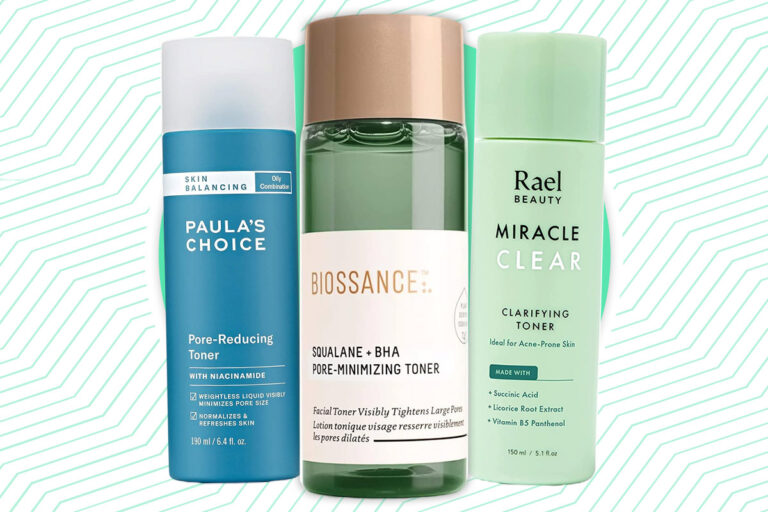
While a toner often isn’t considered to be an absolute essential in a skincare routine, the right formula can make … Read More
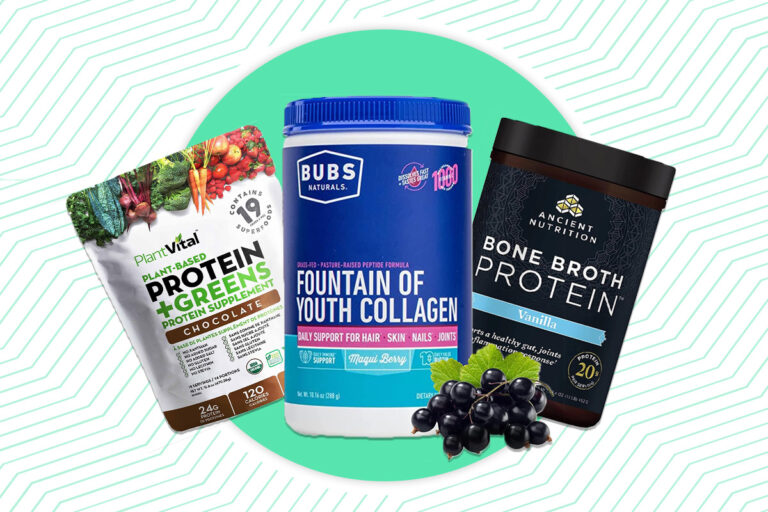
Many types of protein powders can cause acne because they’re formulated with whey, which contains milk proteins. Milk proteins are … Read More
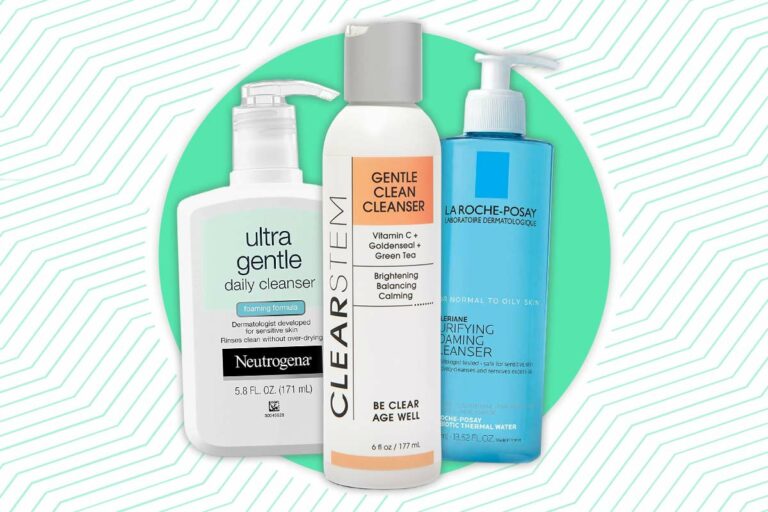
A hormonal acne-safe face wash is an essential part of a proper skin care regimen for anyone dealing with hormonal … Read More

It shouldn’t be a surprise that acne is the most common chronic inflammatory skin disorder in the United States. Acne impacts up to … Read More

In recent years, the skincare industry has seen a significant shift towards inclusivity and diversity, with numerous companies advocating for … Read More
Lemon juice, rich in vitamin C and natural astringents, is emerging as a popular natural remedy for acne. Typically applied … Read More
Jojoba oil is gaining popularity in skincare due to its unique composition as an ester that closely mimics the natural … Read More
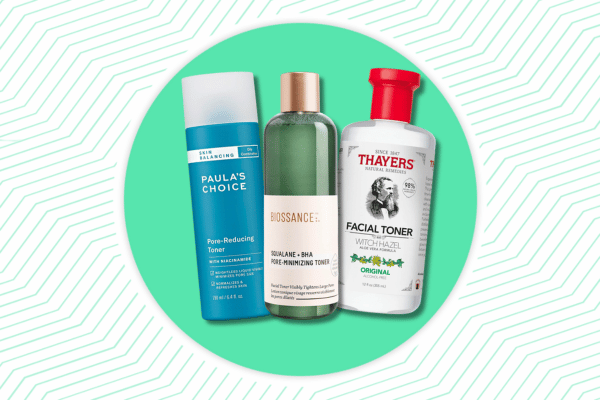
Fungal acne (Malassezia folliculitis) is incredibly challenging to both treat and diagnose due to its similarity to traditional “bacterial acne”. … Read More
Shea butter is widely used in skincare and cosmetics due to its nourishing and moisturizing properties, making it a popular … Read More
Shaving does not cause acne, however shaving with existing acne breakouts and shaving with a dirty razor can spread acne … Read More

Although Accutane is an extremely effective method for clearing acne breakouts it comes with a host of potential side effects … Read More

There is no scientific evidence that supports masturbation causing acne breakouts. Because masturbation is generally a taboo topic to discuss … Read More